
A damp spot on the ceiling, a musty odor in the basement, or a strange discoloration spreading across a wall can all leave homeowners wondering what they are actually dealing with. The confusion is understandable, because the two problems often appear in the same places and sometimes at the same time. Knowing the distinction in the water damage vs mold question matters, because the right response depends on what you are truly facing. If you are unsure, our team at McCardel Restoration offers trusted damage restoration services in Lansing, MI to help you identify and address the issue before it grows.
The short version is this: water damage is the physical harm caused by moisture, while mold is a living organism that grows after that moisture lingers. One often leads to the other, which is exactly why they are so easy to mix up. Let us walk through how to tell them apart.
What Water Damage Actually Looks Like
Water damage is the result of moisture making contact with building materials over time. It can happen quickly, such as from a burst pipe or an overflowing appliance, or slowly from a roof leak or a hidden drip behind a wall. The telltale signs tend to be visual and structural rather than biological.
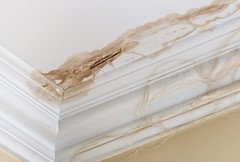
You might notice warping or buckling in hardwood floors, bubbling or peeling paint, or soft spots in drywall that feel spongy to the touch. Water stains often appear as yellow, brown, or copper colored rings on ceilings and walls, sometimes with a darker ring around the edges. Unlike mold, these stains are typically smooth and flat, and they do not have a fuzzy or raised texture. Fresh water damage may also feel cool and damp, and it can carry a faint earthy smell even before any mold takes hold.
The key thing to remember is that water damage is a symptom of a moisture problem. Addressing it means finding and stopping the source, then drying out the affected materials thoroughly. If moisture is allowed to sit, you move from a water problem into a mold problem, which is where the water damage vs mold distinction starts to blur.
How to Recognize Mold
Mold is a fungus that thrives on moisture and organic material like drywall, wood, insulation, and fabric. It only needs a damp environment and a little time, often just 24 to 48 hours, to begin growing. Once it establishes itself, it reproduces through spores that travel through the air and settle on new surfaces.
The most obvious sign of mold is its appearance. It tends to show up in clusters or patches that can be black, green, gray, white, or even orange and pink. The texture is often fuzzy, slimy, or powdery rather than smooth, which is one of the easiest ways to separate it from a simple water stain. Mold also produces a strong, persistent musty odor that many people describe as earthy or stale, and this smell can linger even when the growth itself is hidden behind walls or under flooring.
Beyond the physical signs, mold can affect how people feel inside the home. Lingering congestion, coughing, itchy eyes, or respiratory irritation that seems to improve when you leave the house can point to a mold presence that is not yet visible. If anyone in the household notices these symptoms alongside a musty smell, it is worth investigating further.
Water Damage vs Mold: The Overlap
Here is where things get complicated. Mold does not appear out of nowhere. It grows because moisture was present, which means water damage and mold are frequently two stages of the same underlying issue. A slow leak behind a bathroom wall might first show up as discoloration and softened drywall, then develop into visible mold if the moisture is never addressed.
This connection is why a thorough inspection matters so much. Treating the surface of a mold patch without finding the water source will only lead to it coming back. Likewise, drying out a water damaged area without checking for hidden mold can leave a growing colony tucked out of sight. When weighing water damage vs mold, the smartest approach is to assume that unaddressed moisture may already be feeding mold growth, and to inspect accordingly.
To summarize the main differences at a glance:
- Water damage shows up as stains, warping, peeling paint, and soft or spongy materials, usually with a smooth surface.
- Mold appears as fuzzy or slimy patches in various colors, carries a strong musty odor, and can trigger allergy-like symptoms.
What You Should Do Next
If you discover either problem, the first priority is stopping the source of moisture. That might mean shutting off a water supply, repairing a leak, or improving ventilation in a chronically damp area like a basement or bathroom. Once the source is controlled, the affected materials need to be dried completely, and that is often harder than it looks because moisture hides inside walls, under flooring, and within insulation.
Small, surface-level issues caught early can sometimes be managed on your own, but larger areas, recurring stains, or any visible mold growth generally call for professional help. Restoration specialists use moisture meters, thermal imaging, and industrial drying equipment to locate hidden dampness and ensure materials are properly restored. This matters because improper cleanup can spread mold spores or leave moisture behind to fuel a second round of growth. For homeowners who want to understand the financial side of recovery, our overview of water damage restoration in Lansing, MI offers helpful context on what the process can involve.
Timing is everything with these problems. The faster moisture is removed, the less likely you are to face mold at all. If you are dealing with a sudden flood, a burst pipe, or storm-related water intrusion, our emergency restoration services are available to respond quickly across Lansing and the surrounding communities.
When to Call the Professionals
There are a few clear signals that it is time to bring in experienced help. If the affected area is larger than a small patch, if mold keeps returning after you clean it, if the musty smell persists despite your efforts, or if anyone in the home is experiencing ongoing respiratory symptoms, professional assessment is the safest route. Professionals can also determine whether the issue is purely cosmetic water damage or a deeper structural concern that needs attention.
Residents dealing with fungal growth beyond city limits can also rely on our team for mold remediation in Laingsburg and neighboring towns. Wherever you are located, the goal is the same: identify the root cause, remove the damage safely, and restore your home to a healthy condition.
Understanding the water damage vs mold question gives you a real advantage, because it helps you act quickly and appropriately instead of guessing. Water damage points to an active or recent moisture problem, while mold signals that moisture has lingered long enough to support growth. Both deserve prompt attention, and both are far easier to resolve when caught early. If you notice any of the warning signs described here, reach out to our team for a professional evaluation and let us help you protect your home.