
Few things catch a homeowner's attention quite like discovering a strange, discolored patch creeping across a wooden beam, floorboard, or basement stud. If you have found brown fuzzy mold on wood somewhere in your home, you are right to pay attention. What looks like a small cosmetic issue can point to a deeper moisture problem that threatens both the structure of your home and the health of the people living in it. The good news is that with the right knowledge and prompt action, the situation is entirely manageable, and professional damage restoration services in Lansing, MI can help you handle it the right way.
Wood is one of mold's favorite surfaces. It is porous, organic, and holds moisture longer than most building materials, which makes it an ideal food source for countless fungal species. Understanding what you are looking at, why it appeared, and how to respond will put you back in control of your home.
What Does Brown Fuzzy Mold on Wood Actually Look Like?
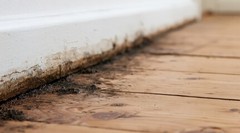
Mold comes in a wide range of colors and textures, and brown is one of the more common shades you will encounter on wooden surfaces. Brown fuzzy mold on wood typically appears as a soft, raised growth with a texture that resembles velvet, cotton, or dust clumped together. It may show up in scattered spots, in a spreading cluster, or as a thin film that becomes thicker over time. The color can range from light tan to deep chocolate, sometimes mixed with hints of black, green, or yellow depending on the species and the moisture conditions.
One thing worth noting is that brown discoloration is not always mold. Wood can darken from water staining, tannin bleeding, or natural aging. The key indicator is texture. If the patch is fuzzy, raised, or smears when wiped, you are almost certainly dealing with a living fungal colony rather than a simple stain. A musty, earthy odor in the area is another strong sign that mold is present, even in places you cannot easily see.
Why Mold Grows on Wood in the First Place
Mold spores are everywhere in the environment, floating invisibly through the air both outdoors and inside your home. They are harmless until they land on a damp surface with something to feed on. Wood provides both, which is why basements, crawl spaces, attics, and areas around plumbing are such frequent trouble spots. All a colony needs to take hold is moisture, and once it does, it can expand quickly.
In Michigan homes, the usual culprits behind brown fuzzy mold on wood include leaky pipes, roof seepage, poor ventilation, high indoor humidity, and flooding or water intrusion that never fully dried out. Finished and unfinished wood both support growth, though raw, untreated lumber tends to absorb water faster and is more vulnerable. Seasonal humidity swings common throughout Lansing and the surrounding areas can also create condensation on wood framing, feeding slow but persistent growth that homeowners do not notice until it has spread.
Is Brown Mold Dangerous?
Homeowners often ask whether brown mold is as harmful as the dreaded black mold they have read about. The honest answer is that color alone is not a reliable way to judge how dangerous a mold is. Different species produce different effects, and many people experience reactions regardless of the shade. Common symptoms include sneezing, coughing, watery eyes, nasal congestion, skin irritation, and worsened asthma or allergy symptoms. Those with compromised immune systems, young children, and older adults tend to be more sensitive.
Beyond health concerns requiring mold remediation in Lansing, there is the matter of structural integrity . Certain molds, along with the wood-rotting fungi that often accompany them, break down the cellulose in lumber. Left untreated, this weakens beams, joists, and subflooring over time. That is why brown fuzzy mold on wood should never be dismissed as purely cosmetic. Even if the growth looks minor, the moisture conditions that caused it are actively damaging your home.
Taking Action: Safe Steps to Address the Problem
When you discover mold, your instinct may be to grab a rag and scrub it away. For very small areas on sealed, non-structural wood, a careful cleaning can sometimes be appropriate, but it is important to approach the task cautiously so you do not spread spores throughout your home or expose yourself unnecessarily. If you choose to tackle a minor spot yourself, keep these priorities in mind.
- Protect yourself with gloves, eye protection, and an N95 respirator before touching any mold.
- Address the moisture source first, because cleaning without fixing the leak or humidity guarantees the mold will return.
- Avoid disturbing large colonies, as aggressive scrubbing releases spores into the air.
- Dry the area thoroughly and monitor it for several weeks to confirm the growth does not come back.
The reality is that most meaningful mold situations call for professional assessment. Fuzzy growth on wood often extends deeper than the surface, and what you see on a visible beam may be only a fraction of what has developed inside a wall cavity or beneath flooring. Professionals use moisture meters, containment barriers, specialized filtration, and proven removal techniques to eliminate the problem without cross-contaminating clean areas. If the mold covers a large surface, keeps returning, or is tied to a significant water event, bringing in trained specialists is the safer and more cost-effective route.
How Professional Remediation Works
A thorough remediation begins with inspection and moisture mapping to identify the full extent of the growth and its underlying cause. From there, the affected zone is contained to prevent spores from migrating, and air filtration devices capture airborne particles during the work. Removal involves cleaning salvageable wood and safely removing materials that are too damaged to recover. Finally, the area is dried, treated, and verified to ensure the conditions that allowed brown fuzzy mold on wood to flourish have been corrected.
At McCardel Restoration, we also handle the moisture problems that lead to mold in the first place, which is critical for lasting results. If your mold issue stemmed from a flood, burst pipe, or storm, our emergency restoration team can respond quickly to limit further damage. Whether you are dealing with a single damp corner or a widespread issue, including situations that call for professional mold remediation in DeWitt and neighboring communities, experienced help makes all the difference in protecting your home and your family's health.
Discovering brown fuzzy mold on wood is unsettling, but it does not have to become a crisis. By recognizing what the growth looks like, understanding that moisture is always the root cause, and responding promptly rather than waiting, you put yourself in a strong position to resolve the issue and prevent it from returning. Small problems addressed early are far easier and less expensive to fix than ones left to spread.
If you are unsure how serious your situation is, or if the mold keeps coming back no matter what you try, do not hesitate to reach out. Our team is ready to inspect the problem, explain your options clearly, and restore your space with care. Contact McCardel Restoration for a professional evaluation and get peace of mind knowing the job is being handled right.