
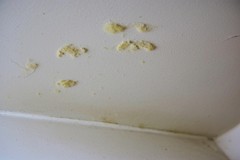
That strange discoloration spreading across your bathroom ceiling might be more than a cosmetic annoyance. If you have noticed a patch of fuzzy or slimy growth with a yellow tint overhead, you are likely looking at mold. Yellow mold on bathroom ceiling surfaces is a common problem in Michigan homes, and it tends to show up quietly before homeowners realize how established it has become. As experienced restoration contractors in Lansing and beyond, we have seen plenty of bathrooms where a small spot of yellow turned into a much larger issue hiding behind drywall and insulation.
The good news is that this kind of mold is manageable once you understand what causes it and how to respond. The important thing is not to ignore it. Mold rarely clears up on its own, and bathrooms provide nearly perfect conditions for it to keep growing. Below, we break down why yellow mold develops, whether it is dangerous, and the steps you should take to protect your home and your health.
Why Yellow Mold Shows Up on Bathroom Ceilings
Bathrooms are humid by nature. Every hot shower releases steam that rises and settles on the ceiling, and if that moisture has nowhere to go, it lingers long enough for mold spores to take hold. Yellow mold on bathroom ceiling areas usually points to one or more underlying moisture problems. Poor ventilation is the most frequent culprit. Many bathrooms either lack an exhaust fan or have one that is undersized, clogged, or simply never turned on during showers.
Beyond ventilation, hidden leaks play a major role. A slow drip from a second-floor plumbing line, a roof leak above the bathroom, or condensation inside the ceiling cavity can all feed mold growth from above. In these cases, the yellow patch you see on the surface is only part of the story, because the material behind the paint may be saturated. Older homes throughout the Lansing area are especially prone to this, since original ductwork and insulation may not keep pace with modern bathroom use.
The yellow color itself can come from several mold species. Some strains naturally appear yellow, while others shift in color as they mature or feed on specific materials like paint, wood, or drywall paper. Regardless of the exact species, the message is the same: there is enough persistent moisture in that spot to sustain active growth.
Is Yellow Mold Dangerous?
People often assume mold color indicates how toxic it is, but color alone is not a reliable guide. What matters more is the amount of mold, how long it has been present, and the health sensitivity of the people living in the home. Yellow mold can still release spores into the air, and breathing those spores over time may trigger respiratory irritation, coughing, sneezing, congestion, or worsened allergy and asthma symptoms.
Households with young children, older adults, or anyone with a compromised immune system should treat any mold growth as a priority. Even for healthy individuals, prolonged exposure in a small, enclosed space like a bathroom is not something to shrug off. Some yellow molds are also associated with wood decay, meaning they can quietly damage the structural materials in your ceiling and attic if left alone.
There is also the matter of what the mold signals. A visible patch tells you moisture is accumulating somewhere it should not. Even if the growth itself is minor, the conditions behind it can lead to rot, staining, and far more expensive repairs down the road.
What to Do When You Spot It
Your first instinct may be to grab a bottle of bleach and scrub, and for very small surface spots on non-porous areas, a careful cleaning can help. However, bleach often only lightens the appearance without killing mold that has rooted into porous drywall or paint. If the discoloration keeps returning, that is a strong sign the problem runs deeper than the surface.
When you discover yellow mold on bathroom ceiling surfaces, a measured response works best. Consider the following steps:
- Identify and fix the moisture source, whether it is a leaky pipe, roof issue, or a ventilation shortfall.
- Run your exhaust fan during and after every shower, and keep the bathroom door open to improve airflow.
- Avoid aggressive scrubbing that can send spores into the air, especially if the affected area is larger than roughly a square foot.
- Document the growth with photos in case you need to file an insurance claim.
- Contact a professional if the mold covers a wide area, keeps coming back, or appears alongside water stains.
Addressing the source is the part homeowners most often overlook. You can clean the ceiling a dozen times, but if steam keeps settling there or a pipe keeps dripping, the mold will simply reappear. That is why remediation professionals always treat the moisture problem and the mold together.
When to Call a Professional
Small, isolated spots can sometimes be handled on your own. Larger infestations, recurring growth, or mold tied to a leak behind the ceiling call for trained help. Professional mold remediation in Lansing involves more than wiping away what you can see. It includes inspecting the ceiling cavity, identifying hidden moisture, safely removing contaminated materials, treating the area to prevent regrowth, and verifying the space is dry before any repairs begin.
Professionals also contain the work area so spores do not spread to the rest of your home during removal. This containment step is one of the biggest differences between a lasting fix and a temporary patch. If the mold grew because of an ongoing leak, the restoration team can coordinate the water-related repairs alongside the mold work, which prevents the problem from circling back.
Our service reaches well beyond a single neighborhood. Homeowners across Lansing and the surrounding communities rely on us for mold concerns, and we also handle moisture emergencies in neighboring areas, including water damage restoration in Portland. If you are unsure how severe your situation is, a professional assessment removes the guesswork and tells you exactly what you are dealing with.
Preventing It From Coming Back
Once the mold is gone, keeping your bathroom dry is the key to preventing a return. Make sure your exhaust fan actually vents to the outside rather than into the attic, and run it for at least fifteen to twenty minutes after bathing. Wipe down the ceiling and walls occasionally, fix even minor plumbing drips promptly, and keep an eye on the attic space above the bathroom for any signs of roof leaks or condensation.
If your bathroom is frequently humid, a dehumidifier or an upgraded fan can make a noticeable difference. Repainting with a mold-resistant paint after remediation adds another layer of protection. These small habits go a long way toward keeping that ceiling clean season after season.
Yellow mold on bathroom ceiling surfaces is a signal worth taking seriously, not because the color is uniquely alarming, but because it reveals a moisture problem that will only grow if ignored. By finding the source, cleaning safely, and calling in experienced help when the situation warrants it, you protect both your home and the people in it. If you have spotted stubborn or spreading mold and want it handled correctly the first time, contact our team for guidance and a thorough evaluation. We are here to help homeowners throughout the region breathe easier.