
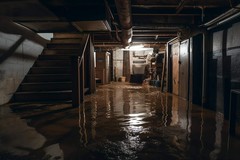
Few things create as much stress for a homeowner as walking downstairs to find standing water where there should be dry concrete. If you have ever asked yourself why does a basement flood, you are far from alone. Basements sit at the lowest point of a home, which makes them naturally vulnerable to water from every direction, whether it arrives through the walls, up through the floor, or down from a failed appliance. Understanding the sources of that water is the first step toward preventing it and knowing when to call a trusted damage restoration company in Lansing, MI.
Michigan weather adds another layer of complication. Heavy spring rains, rapid snowmelt, and aging infrastructure all put pressure on the systems meant to keep your lower level dry. The good news is that most basement flooding falls into a handful of recognizable causes, and once you know what to watch for, you can take meaningful steps to protect your property.
Heavy Rain and Overwhelmed Drainage
The most frequent answer to why does a basement flood is simple: too much water in the ground and nowhere for it to go. When a storm dumps several inches of rain in a short window, the soil around your foundation becomes saturated. Once that soil can no longer absorb water, hydrostatic pressure builds against your foundation walls and floor, forcing moisture through even the smallest cracks and gaps.
Poor exterior drainage makes this worse. Gutters clogged with leaves, downspouts that empty right next to the foundation, and yards that slope toward the house instead of away from it all funnel rainwater toward your basement. A few inexpensive adjustments, like extending downspouts six feet from the home and clearing gutters each season, can dramatically reduce how much water pools against your walls during a storm.
Foundation Cracks and Wall Seepage
Over time, concrete and block foundations develop cracks from settling, freeze and thaw cycles, and ordinary aging. These openings may be nearly invisible when the ground is dry, but during a heavy rain they become direct pathways for water. Cracks around pipe penetrations, along the cove joint where the wall meets the floor, and near basement windows are especially common entry points.
Wall seepage does not always announce itself with a dramatic flood. Sometimes it shows up as a damp patch, a white chalky residue called efflorescence, or a musty smell that lingers no matter how often you clean. These early warning signs are worth taking seriously, because the same crack that lets in a trickle today can let in gallons during the next major storm. Addressing minor seepage early is almost always cheaper than dealing with a fully flooded basement later.
Sump Pump Failure
For many Michigan homes, the sump pump is the single most important defense against basement flooding. This device collects groundwater in a pit and pumps it away from the foundation before it can rise into your living space. When it works, you barely think about it. When it fails, the results can be sudden and severe.
Sump pumps fail for several predictable reasons, and recognizing them can help you stay ahead of trouble:
- Power outages during storms, which is exactly when the pump is needed most
- A pump that is undersized or worn out from years of use
- A stuck float switch that prevents the pump from turning on
- A clogged or frozen discharge line that sends water right back into the pit
A battery backup system is one of the smartest investments a homeowner can make, since storms that cause flooding often knock out electricity at the same time. Testing your pump a couple of times a year by pouring water into the pit gives you peace of mind that it will respond when it matters.
Sewer and Drain Backups
Not all basement water comes from outside. Municipal sewer systems can become overwhelmed during heavy rainfall, pushing wastewater backward through floor drains and toilets in the lowest part of your home. This type of flooding is particularly troubling because the water is contaminated and requires careful, professional cleanup rather than a simple mop and bucket.
Inside the home, clogged floor drains, aging clay sewer lines invaded by tree roots, and failed drain traps all contribute to backups. Installing a backwater valve can prevent sewage from flowing in reverse during a system surge. If you ever experience a sewer backup, it is important to avoid contact with the water and reach out to professionals who are equipped to handle contaminated flooding safely.
Plumbing Leaks and Appliance Failures
Basements often house water heaters, washing machines, and the main plumbing lines for the entire house. A burst pipe, a failed water heater tank, or a cracked washing machine supply hose can release a tremendous amount of water quickly. Because these failures frequently happen while no one is watching, the damage can spread for hours before anyone notices.
Frozen pipes deserve special mention in a climate like ours. When temperatures plunge, water inside unprotected pipes can freeze, expand, and split the pipe open. The real damage usually arrives when the ice thaws and water pours from the break. Insulating exposed pipes and keeping your home adequately heated through winter goes a long way toward preventing this kind of flooding. When a sudden failure does happen, our emergency restoration services are available to help limit the damage before it spreads further.
What to Do When Your Basement Floods
No matter the source, acting quickly protects both your property and your health. Standing water damages flooring, drywall, and belongings within hours, and it creates ideal conditions for mold growth within a day or two. Start by shutting off power to the affected area if you can do so safely, then stop the water source if it is something within your control, such as a main water valve.
From there, documentation matters. Take photos and video of the water and any damaged items before you begin cleanup, since this record will support any insurance claim you file. Many homeowners are surprised by what their policy does and does not cover, which is why it helps to understand the details of storm damage restoration in Lansing, MI before an emergency ever strikes. Professional water extraction, drying, and sanitizing restore your space properly and reduce the risk of lingering moisture problems.
Understanding why does a basement flood puts you in a far stronger position to prevent it, but even the most prepared homeowner can face an unexpected event. When that happens, fast and thorough help makes all the difference. We proudly serve Lansing and the surrounding communities, offering specialized water damage restoration in Meridian Township and beyond. If your basement has taken on water or you want advice on protecting it before the next storm, reach out to our team for a prompt response and a clear plan to get your home back to dry.