
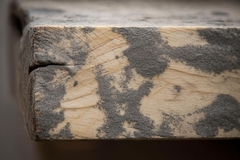
Black mold on wood can be a homeowner's nightmare. This uninvited guest not only mars the beauty of your wooden structures but also poses significant health risks. From respiratory ailments to allergic reactions, black mold can wreak havoc if not addressed promptly and effectively. You might be wondering what kills black mold on wood and how you can tackle this persistent issue. Experienced restoration contractors in the Lansing area can assist you with specialized services, ensuring your home remains mold-free and safe.
Understanding the root of the problem is crucial for determining the most effective solutions. Why does mold favor wood, and how can you stop it in its tracks? This blog dives deep into the secrets of eliminating black mold from wood, exploring various methods, their effectiveness, and when to call in professional help. By the end of this article, you'll have a comprehensive understanding and actionable steps to protect your wood surfaces from the grip of black mold.
The Science Behind Black Mold on Wood
Wood offers an ideal environment for mold growth due to its porous nature, which traps moisture. The organic compounds in wood also provide nutrients that mold thrives on. When conditions such as dampness and warmth are constant, mold spores begin to colonize. This is particularly prevalent in places with high humidity or after water-related incidents—common scenarios where water damage restoration services in Lansing, MI, are frequently sought.
Black mold, or Stachybotrys chartarum, is notorious for its tenacity. It grows slowly but solidly, and once established, it can spread its spores quickly throughout your home, affecting air quality and posing health hazards. Understanding this helps in targeting the root problem instead of applying temporary fixes.
Identifying Black Mold: Signs and Symptoms
Knowing the enemy is half the battle. Black mold presents itself with distinct characteristics:
- Color and Texture: Typically black or dark green with a slimy texture if wet. When dry, its appearance may shift to soot-like.
- Odor: Black mold emits a musty odor akin to damp, decaying wood.
- Health Indicators: Chronic respiratory issues, headaches, or allergic reactions in household occupants may signal hidden mold.
It's crucial to differentiate black mold from harmless mildew or dirt stains. If there are persistent symptoms, a professional inspection might be necessary.
DIY Solutions: What Kills Black Mold on Wood
For small, isolated cases, tackling black mold with some household remedies can be effective. Here are some commonly used solutions:
- Vinegar: Not only is it a pantry staple, but vinegar is also known for its acidic properties that can kill mold at the roots. Apply undiluted vinegar using a spray bottle and let it sit for an hour before wiping clean. Its acetic acid content will penetrate and disrupt the mold's growth cycle.
- Baking Soda: Mix a tablespoon of baking soda with water and a splash of dish soap. It acts as a mild abrasive to scrub away mold. Baking soda also absorbs moisture, further preventing mold proliferation.
- Hydrogen Peroxide: Effective in removing and killing mold, a solution of 3% hydrogen peroxide can be applied and left for about 10 minutes. Its disinfecting properties kill mold spores and clean the surface.
- Commercial Products: Various mold-killing products are available, formulated with fungicides specifically targeting mold spores. Follow the instructions carefully to avoid damaging wood surfaces.
These methods provide a temporary fix and are usually not sufficient for severe infestations or structural issues where mold has penetrated deep into the wood.
Professional Mold Remediation: Go Beyond Surface Solutions
When addressing larger or recurring infestations, professional mold remediation becomes crucial. Professionals use advanced techniques and tools, such as air scrubbers and HEPA vacuums, to ensure comprehensive mold removal. They assess the extent of the infestation, identify moisture sources, and provide solutions to prevent future mold growth.
McCardel Restoration offers mold remediation in Lansing that includes assessment, treatment, and prevention strategies, ensuring the problem is dealt with effectively. Whether it's through advanced drying equipment or structural evaluations, professionals are equipped to handle complex cases that DIY solutions cannot fix.
The Role of Climate and Environmental Conditions
Understanding what kills black mold on wood isn't just about applying treatments. Climate and environmental conditions play pivotal roles in mold growth. High humidity, poorly ventilated areas, and leaks often contribute to mold infestations. Therefore, addressing these underlying issues is just as crucial as removing visible mold.
Installing dehumidifiers, ensuring proper ventilation, fixing leaks promptly, and regular inspections can significantly reduce the risk of recurrence. Mold thrives in environments offering moisture and warmth, so controlling these factors is vital for long-term prevention.
Common Mistakes in Mold Removal: Avoiding Pitfalls
Even with good intentions, some efforts can aggravate the problem:
- Using inadequate protective measures: Handling mold without proper gear can lead to inhalation of spores.
- Ignoring underlying moisture issues: Failing to address the source of moisture means mold will return.
- Over-scrubbing: This can damage wood and fails to address mold embedded within.
For lasting solutions, a holistic approach that combines surface cleaning with moisture control is recommended. Recommending an expert evaluation is prudent in unclear situations.
Embracing Preventive Measures
Once you've identified what kills black mold on wood, it's imperative to focus on prevention. Here are some strategic steps:
- Maintain low indoor humidity: Use dehumidifiers to keep humidity levels below 60%.
- Ensure proper ventilation: Especially in areas like kitchens and bathrooms.
- Regular inspections: Periodically checking areas prone to moisture ensures early detection.
By adopting these measures, you proactively safeguard your home, reducing the frequency and intensity of mold occurrences.
Protect Your Investment and Health
Mold is not just a structural issue - it's an invisible threat to health and well-being. While DIY methods may temporarily halt black mold, they don't always get to the root of the problem. Engaging professional services like McCardel Restoration ensures a thorough evaluation and eradication strategy, protecting both your investment and health.
If you're struggling with mold issues, whether it's in Lansing or nearby areas, consider reaching out for professional consultation. For instance, services such as mold remediation in Grand Rapids provide peace of mind with expert advice and solutions tailored to your specific situation.
McCardel Restoration offers comprehensive solutions that go beyond mere surface cleaning. Our team is equipped to handle everything from mold to more extensive services like water damage restoration in Grand Ledge. Don't wait until the problem escalates. With professional intervention, you can rest assured that your home is protected against the relentless spread of black mold. Reach out today and let us restore the safety and comfort of your home.