
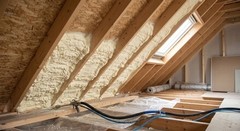
Michigan winters have a way of exposing the weak points in any home, and the attic is often the first place heat escapes. If you have noticed icicles forming along your roofline, uneven temperatures between rooms, or energy bills that climb higher every January, your attic insulation may be working against you. That leads many homeowners to ask a practical question: what insulation is better for an attic in Lansing, MI? The answer depends on your home's age, your budget, and the specific challenges our regional climate presents. As a trusted damage restoration company in Lansing, we have seen firsthand how the right attic insulation protects a home from more than just high utility costs.
Choosing insulation is not only about staying warm. Proper coverage helps prevent moisture buildup, ice dams, and the kind of slow, hidden damage that can lead to costly repairs down the road. Understanding your options gives you the confidence to make a decision that pays off for years.
Why Attic Insulation Matters So Much in Mid-Michigan
Lansing experiences a full range of weather, from humid summers to long stretches of freezing temperatures and heavy snow. Your attic sits directly between your living space and the outdoor elements, which makes it one of the most important barriers in your home. When insulation is thin, compressed, or improperly installed, warm air rises and escapes through the roof. That warm air melts snow on the roof, which then refreezes at the colder edges and forms ice dams. Those ice dams can push water under shingles and into your home.
Beyond temperature control, insulation plays a role in managing moisture. An attic that is too warm or poorly ventilated can trap humidity, creating conditions for mold and wood rot. This is why the question of what insulation is better for an attic in Lansing, MI is really a question about protecting the long-term health of your home, not just lowering a monthly bill.
Comparing the Most Common Attic Insulation Types
There is no single product that works best for every home, but a few options consistently stand out for Michigan attics. Each has its own strengths depending on your goals and the condition of your attic.
Fiberglass Insulation
Fiberglass remains one of the most widely used options, available in both batts and loose-fill blown-in forms. It is affordable, resists moisture reasonably well, and does not provide fuel for fire. Blown-in fiberglass is especially useful for attics with irregular spaces or existing insulation that needs a top-up. For many homeowners wondering what insulation is better for an attic in Lansing, MI on a modest budget, fiberglass offers a dependable balance of cost and performance, provided it is installed to the correct depth.
Cellulose Insulation
Cellulose is made largely from recycled paper treated to resist fire and pests. It is blown into the attic and settles densely, filling gaps and small cavities better than batts in some situations. Many homeowners appreciate its eco-friendly composition and its ability to reduce air movement. The tradeoff is that cellulose can absorb moisture if your attic has ventilation issues, so it works best in a space that stays dry and properly aired.
Spray Foam Insulation
Spray foam, particularly closed-cell foam, delivers the highest insulating value per inch and creates an air seal that other materials cannot match. It is excellent at blocking drafts and controlling moisture, making it a strong performer in Michigan's demanding climate. The main consideration is cost, as spray foam is a larger upfront investment and typically requires professional installation. For homes with persistent air leaks or complex attic geometry, however, that investment often delivers noticeable results.
How Climate Shapes the Right Choice
The U.S. Department of Energy recommends higher insulation levels, measured as R-value, for colder regions, and Lansing falls squarely into that category. R-value measures how well insulation resists heat flow, and attics here generally benefit from substantial depth to stand up to winter. A home with insulation rated for a milder climate will struggle to hold heat during a Michigan cold snap.
When weighing what insulation is better for an attic in Lansing, MI, think about layering and coverage rather than just the material itself. In many cases, the best results come from combining methods, such as sealing air leaks with spray foam at key penetration points and then adding blown-in fiberglass or cellulose on top to reach the recommended R-value. Ventilation also matters. Even excellent insulation can underperform if the attic cannot breathe, so soffit and ridge vents should be part of the conversation. Homeowners across Lansing and the surrounding areas often find that a combined approach tailored to their specific attic outperforms any one-size-fits-all solution.
Signs Your Attic Insulation Needs Attention
Many homeowners do not think about attic insulation until a problem appears. Keeping an eye out for warning signs can help you act before small issues grow into expensive repairs. Consider having your attic evaluated if you notice any of the following:
- Rooms that feel noticeably colder or warmer than others, especially upstairs
- Rising heating and cooling bills without a clear explanation
- Ice dams or large icicles forming along the edges of your roof in winter
- Visible moisture, staining, or a musty odor in the attic
- Insulation that looks flattened, uneven, or shallow when you peek inside
Moisture problems in particular deserve prompt attention, because water intrusion in an attic can spread quickly and damage framing, drywall, and insulation alike. If you ever face a leak or flooding event, understanding your options for water damage restoration in Lansing and beyond can help you respond with less stress and a clearer plan.
Protecting Your Investment Year Round
Good insulation is one part of a larger strategy to keep your home safe and comfortable through every season. Michigan weather can be unpredictable, and the same storms that bring heavy snow can also bring wind and water that threaten your roof and attic. Whether you are addressing a leak after a storm or handling the aftermath of severe weather, a quick response makes a real difference. Our team also provides storm damage restoration in Okemos and nearby communities, helping homeowners recover when the elements take a toll.
If you are unsure where your attic stands, a professional assessment can identify gaps, moisture concerns, and the ideal insulation plan for your specific home. The knowledgeable professionals who make up our team understand the unique demands of Mid-Michigan homes and are ready to help you weigh your options.
In the end, there is no shortcut to deciding what insulation is better for an attic in Lansing, MI, because the best answer reflects your home's age, layout, and current condition. Fiberglass, cellulose, and spray foam each have a place, and the smartest plan often blends material choice with air sealing and proper ventilation. Investing in the right attic insulation keeps your family comfortable, lowers your energy use, and guards against the moisture problems that lead to bigger headaches. If you have questions about your attic or need help recovering from water or storm damage, reach out to McCardel Restoration and let us help you protect your home for the long haul.