
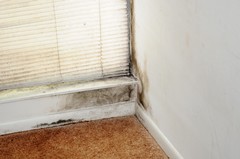
Mold can take hold in a damp wall cavity within 24 to 48 hours of water intrusion, often long before anyone notices a problem. That is why so many homeowners find themselves asking what does mold from water damage look like, usually after a leak, a flood, or a stretch of high humidity. Knowing the answer can mean the difference between a small, manageable cleanup and a costly structural issue. If you suspect a problem in your home, our team offers professional restoration services in Lansing and can help you identify the warning signs early.
Water and mold go hand in hand. Wherever moisture lingers, mold spores find the food source and conditions they need to grow. The tricky part is that mold does not always announce itself. It can appear in obvious patches on a ceiling, or it can hide behind baseboards and under flooring where you would never think to look. Learning to recognize the visual and sensory clues gives you a real advantage.
The Visual Signs of Mold After Water Damage
The most recognizable form of mold shows up as clusters of spots or fuzzy patches on surfaces. Colors vary widely, which is part of what makes identification confusing. You might see black, dark green, gray, brown, white, or even pink and orange growth. Some mold looks slimy and wet, while other varieties appear dry, powdery, or cottony in texture.
So when people ask what does mold from water damage look like, the honest answer is that it rarely looks the same twice. On drywall, it often starts as small specks that spread into blotchy, irregular shapes. On wood, it can look like dark streaks following the grain. In corners and along ceilings, it frequently forms circular or spreading patterns that grow outward over time. Any of these changes near a known leak or water stain deserves immediate attention.
Water stains themselves are an important clue. A yellowish, brown, or copper-colored ring on a ceiling or wall signals that moisture has passed through, and mold may already be developing on the hidden side of that surface. Peeling paint, bubbling wallpaper, and warped or swollen wood are all visual indicators that water has been present long enough to create the right environment for mold.
Where Mold Tends to Hide
Not all mold is visible from the center of the room. The most troublesome growth often develops in places that stay damp and dark. Behind walls, under carpet padding, beneath sinks, around water heaters, and inside HVAC systems are all common hiding spots. Basements and crawl spaces are especially prone because they trap humidity and tend to go unchecked for long periods.
If you cannot see mold but suspect it, trust your other senses. A persistent musty, earthy odor is one of the strongest signs that mold is growing somewhere out of view. That smell tends to get stronger in enclosed spaces or when the air conditioning or heat kicks on. You may also notice condensation on windows, a damp feeling in the air, or surfaces that stay cool and moist to the touch.
Here are some of the areas worth inspecting first if you suspect hidden mold:
- Behind and beneath bathroom and kitchen fixtures where plumbing runs
- Basement walls, floor joists, and crawl space insulation
- Around window frames and exterior wall corners
- Under carpeting or laminate flooring that has been wet
- Inside ductwork and near HVAC units
How to Tell Mold Apart from Dirt or Staining
Homeowners often mistake ordinary grime, soot, or mineral deposits for mold, and the reverse happens too. A smudge of dirt wipes away cleanly and does not return, while mold tends to come back and may leave a faint discoloration behind even after cleaning. Mold also often has a three-dimensional, textured quality, whereas a stain is flat.
Another distinguishing factor is spread. Mold grows and expands, so a patch that seems larger than it was a few weeks ago is a strong signal. If you are still unsure what does mold from water damage look like compared to a harmless stain, pay attention to whether the area is associated with moisture. Mold needs water to survive, so growth paired with dampness, a musty smell, or a recent leak points toward an active mold problem rather than cosmetic staining.
It is also worth noting that certain household members may react before the mold is even visible. Increased sneezing, coughing, congestion, or eye irritation that eases when you leave the house can indicate that mold is present somewhere indoors. While this is not a diagnostic tool, it is another reason to investigate when water damage has occurred.
Why Fast Action Matters
Mold is more than a cosmetic concern. Left unchecked, it feeds on organic building materials like drywall, wood, and insulation, gradually weakening them. What starts as a small patch can turn into a widespread issue that compromises the structure of your home and raises the cost of repair significantly. The longer moisture and mold coexist, the more extensive the remediation becomes.
This is why addressing the water source is just as important as cleaning the mold. Simply wiping away visible growth without fixing the leak or drying the area will only invite it to return. A thorough approach involves locating the moisture, drying the affected materials, removing contaminated surfaces when necessary, and verifying that the environment is no longer hospitable to mold. For many homeowners, understanding what does mold from water damage look like is the first step, but professional assessment is what confirms the extent of the issue.
If your property has experienced flooding, a burst pipe, or a slow hidden leak, acting quickly protects both your home and your budget. Our emergency restoration services are available when water damage strikes unexpectedly, and prompt response is one of the best ways to prevent mold from spreading in the first place.
Getting Professional Help in Mid-Michigan
Recognizing the signs is valuable, but confirming and resolving a mold problem usually calls for trained professionals with the right equipment. Moisture meters, thermal imaging, and proper containment techniques allow specialists to find hidden growth and remove it safely without spreading spores throughout the home. This is especially important when mold has developed inside walls or under flooring where surface cleaning simply will not reach.
We proudly serve homeowners throughout Lansing and the surrounding areas, helping them respond to water intrusion before it becomes a larger issue. Whether you need an assessment after a leak or complete mold remediation, our team understands how water behaves in Michigan homes. If you are facing water intrusion in nearby communities, our crews also handle water damage restoration in Delta Township and respond quickly to limit the damage.
Spotting discoloration, catching a musty odor, or noticing warped materials are all reasons to investigate further rather than wait. Early recognition keeps the problem small, protects your home's value, and spares you from a far more disruptive repair down the road. If you have questions about mold remediation in Lansing and the nearby neighborhoods or want a professional to take a closer look, reach out to McCardel Restoration and let us help you restore a healthy, dry home.