
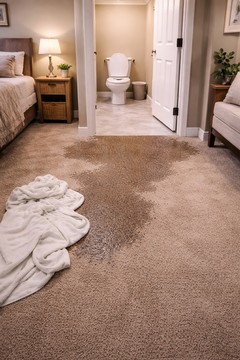
A soaked carpet can go from a minor annoyance to a serious problem faster than most homeowners expect. Within hours, water wicks into padding and subfloor, and within a day or two, mold and unpleasant odors can begin to take hold. If you have found yourself standing on a squishy floor after a burst pipe, an overflowing appliance, or a storm, you are probably wondering whether the carpet can be saved. That is exactly where carpets and water damage restoration comes in, and understanding the process can help you make smart decisions quickly.
At McCardel Restoration, we help people across the region protect their floors and their homes when water strikes. If you need professional damage restoration services in Lansing, MI, knowing what to expect can ease the stress of an already frustrating situation. Below, we walk through what the restoration process usually involves and what factors determine whether your carpet is a candidate for drying or replacement.
Why Wet Carpets Are More Serious Than They Look
Carpet is designed to feel soft and warm underfoot, which means it is also very good at holding moisture. When water seeps in, it does not just sit on the surface. It travels down through the fibers, into the padding beneath, and often reaches the subfloor. Padding acts like a sponge, and once it is saturated, evaporation alone will not dry it out in any reasonable timeframe.
The bigger concern is what happens while everything stays damp. Warm, moist conditions are ideal for mold and bacteria, and Michigan's humidity can make matters worse in the warmer months. The type of water involved matters too. Clean water from a supply line is very different from gray water from an appliance or black water from a sewage backup. The more contaminated the source, the more likely the carpet and padding will need to be removed rather than saved.
The First Steps: Assessment and Water Extraction
Effective carpets and water damage restoration always begins with an assessment. A technician identifies the source of the water, stops it if it is still active, and determines how far the moisture has spread. Using moisture meters and sometimes thermal imaging, professionals can find dampness that is invisible to the eye, including water hiding under the carpet or inside walls near the floor.
Once the extent is clear, extraction is the priority. Powerful truck-mounted or portable extraction units pull out standing water and much of the moisture trapped in the fibers and padding. The faster this happens, the better the odds of saving the carpet. Speed genuinely matters here, which is one reason many people reach out for emergency restoration services the moment they discover a flooded room rather than waiting to see if it dries on its own.
Drying, Dehumidifying, and Monitoring
After extraction, the real drying begins. Air movers are positioned to create airflow across the carpet surface, while commercial dehumidifiers remove moisture from the air so it does not simply resettle into the materials. In many cases, the carpet is lifted so air can circulate underneath and the padding can be evaluated. If the padding is only lightly affected and the water was clean, it may be dried in place. If it is saturated or contaminated, it usually has to be replaced.
Drying is not a one-and-done task. Technicians return to monitor moisture levels over the following days, adjusting equipment as needed until readings confirm the area is truly dry. Cutting this stage short is a common mistake that leads to lingering odors, warped subfloors, and hidden mold. A thorough approach protects not just the carpet but the structure beneath it.
Cleaning, Sanitizing, and Restoring the Room
Once everything is dry, attention turns to cleaning and sanitizing. Even clean-water incidents can leave carpets needing a deep clean, and any exposure to contaminated water calls for careful disinfection to keep your home healthy. Antimicrobial treatments help discourage mold growth, and deodorizing addresses the musty smell that often accompanies water events.
Depending on the situation, the final steps may include reinstalling or replacing padding, re-stretching the carpet, and reattaching it properly so it looks and feels right again. If furniture or belongings were affected, those may need separate attention as well. Our contents restoration services in Lansing and beyond focuses on salvaging the items in the room, not just the flooring, so more of what you own can be saved.
Can Your Carpet Be Saved or Should It Be Replaced?
This is the question nearly every homeowner asks, and the honest answer is that it depends. Several factors weigh into the decision, and a professional evaluation gives you the clearest picture. In general, the outcome hinges on a handful of key points:
- How quickly the water was extracted and drying began
- The category of water involved, from clean to heavily contaminated
- How long the carpet stayed wet before help arrived
- The age and condition of the carpet and padding
- Whether the subfloor absorbed significant moisture
Clean water addressed within the first day or so often has a good chance of a full recovery. Padding is more disposable than the carpet itself and is frequently replaced even when the carpet is saved. When sewage or floodwater is involved, safety usually wins out, and removal becomes the responsible choice. A trustworthy restoration company will explain the reasoning behind any recommendation rather than pushing for unnecessary replacement.
What You Can Do Before Help Arrives
While waiting for professionals, there are a few safe steps that can limit the damage. If it is safe to do so, stop the water source and shut off electricity to the affected area. Lift furniture off wet carpet or place foil or blocks under the legs to prevent stains and rust transfer. Remove small rugs and valuables from the room, and use fans to start moving air if you can do so safely. Avoid using a household vacuum to suck up water, since most are not built for it and it can create a shock hazard.
What you should not do is assume the problem is solved once the surface feels dry. Moisture that lingers in padding and subfloors is the source of most long-term issues, and it is nearly impossible to confirm dryness without proper equipment. That is why a professional evaluation is worth the call even when the situation looks manageable.
Local Help When Water Damage Strikes
Water problems rarely happen at a convenient time, and the longer they sit, the more they cost. Whether you are dealing with a leaking water heater, a failed sump pump, or a storm that pushed water indoors, a prompt and thorough response gives your carpets and your home the best chance at a full recovery. Our team serves Lansing and the surrounding areas, and we also provide water damage restoration in Laingsburg for homeowners and businesses in neighboring towns.
To recap, effective carpets and water damage restoration involves quick assessment, thorough extraction, careful drying and monitoring, and proper cleaning before anything is reinstalled. The speed of your response and the category of water are the biggest factors in whether your carpet can be saved. If you are unsure about the condition of your floors after a water event, reach out for a professional evaluation so you can make an informed decision. When you need experienced help with carpets and water damage restoration, contact McCardel Restoration and let our team guide you through the next steps.