
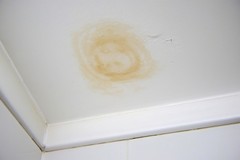
A faint brown ring on the ceiling just outside the bathroom, a soft spot in the drywall, or the smell of something musty when you step out of the tub. These small clues often point to a bigger problem hiding behind the surface. Water damage above shower areas is surprisingly common in older and newer homes alike, and because it frequently starts out of sight, it can quietly spread before anyone notices. When caught early, the fix may be straightforward. When ignored, it can lead to structural rot and mold. Our team provides damage restoration services in Lansing, MI and understands how quickly a hidden leak can turn into a costly repair.
Understanding why water ends up above your shower, how to spot the warning signs, and what steps to take next can save you both money and stress. Below, we break down the most common causes and the right way to respond so you can protect your home for the long haul.
Why Water Appears Above a Shower
In most homes, the area above a shower is a prime location for trouble because several moisture sources converge there. If your bathroom sits on a lower floor with another bathroom directly above it, a leaking supply line or drain from the upper level can travel down and show up as water damage above shower tile and ceiling drywall. Even in a single-story home, the shower plumbing runs through walls and ceilings where small leaks can go undetected for weeks.
Condensation is another frequent culprit. Hot showers generate a lot of steam, and without proper ventilation, that moisture settles on cool surfaces and drywall. Over time, repeated dampness breaks down paint and promotes mold growth. A poorly sealed shower surround, failing grout, or a cracked tile can also allow water to seep behind the wall, where it collects and eventually migrates upward or outward into the ceiling.
Roof and attic issues can mimic plumbing problems too. If your bathroom is on the top floor, a leaking roof, a failing vent pipe boot, or an improperly insulated exhaust duct can drip condensation right onto the ceiling above your shower. Pinpointing the true source matters, because treating the symptom without fixing the cause almost guarantees the damage will return.
Warning Signs You Should Not Ignore
Catching water damage above shower areas early depends on knowing what to look for. The signs are not always dramatic, and many homeowners mistake them for cosmetic issues until the problem grows. Pay attention to any of the following developments in and around your bathroom.
- Discoloration, yellow or brown staining, or water rings on the ceiling and upper walls
- Paint that bubbles, peels, or flakes near the top of the shower enclosure
- Soft, sagging, or crumbling drywall that gives slightly when pressed
- A persistent musty odor that lingers even after the bathroom dries
- Visible mold spots or dark speckling along grout lines and ceiling corners
Any one of these on its own warrants a closer look. When several appear together, they usually indicate an active leak rather than a one-time spill. The longer moisture remains trapped behind walls and ceilings, the greater the risk to the wood framing and insulation surrounding the affected area.
What to Do When You Spot the Problem
The first priority is stopping the water source. If you can trace the issue to a fixture or supply line, shut off the water to that area to prevent further saturation. For leaks you cannot identify, turning off the main water supply temporarily can buy you time. Next, remove items from the vanity and clear the space so you can assess how far the moisture has traveled. Place a bucket or towels under any active dripping to protect your flooring.
Resist the urge to simply repaint over a stain or patch the drywall right away. Covering the damage locks moisture in and masks the real problem, which almost always comes back worse. Instead, document what you see with photos, which can be helpful for insurance purposes, and avoid using the shower until the source is confirmed and repaired. Ventilate the room by running the exhaust fan and opening a window to lower humidity while you plan your next step.
Because water loves to hide, what looks like a small ceiling stain can conceal a much larger saturated area inside the wall cavity. Professional moisture meters and thermal imaging reveal the full extent of the damage, which is why bringing in trained technicians early often prevents a minor repair from becoming a major renovation.
The Mold Risk Behind the Walls
Moisture and warmth create ideal conditions for mold, and the space above a shower checks both boxes. Mold can begin forming within a day or two of a surface staying damp, and once it takes hold inside drywall or insulation, surface cleaning rarely resolves it. Spores spread through the air and can affect indoor air quality, which is a concern for anyone in the household with allergies or respiratory sensitivity.
Addressing mold properly means removing the contaminated materials, drying the structure completely, and treating the area to prevent regrowth. This is not a job for a quick wipe-down with household cleaner. We offer professional mold remediation in Charlotte and throughout the region to make sure the problem is handled at its source rather than just on the surface. Doing it right protects both your home and the people living in it.
How Professional Restoration Helps
When you call in a restoration team, the process starts with locating and verifying the water source, then measuring how far the moisture has spread. From there, technicians remove damaged drywall, insulation, and any compromised materials, dry the affected structure with commercial equipment, and treat the area to stop mold before rebuilding. This thorough approach ensures the repair lasts rather than becoming a recurring headache every few months.
Speed matters with water intrusion, which is why our emergency restoration services are available when you need help fast. Acting quickly limits the spread, reduces the cost of repairs, and lowers the chance of mold taking hold. Our technicians work in Lansing and the surrounding areas, bringing the tools and experience needed to track down hidden leaks that a visual inspection alone would miss.
Working with professionals also simplifies the insurance side of things. Understanding what your policy covers can be confusing, and our team can help you navigate claims related to water damage restoration in Lansing, MI so you know what to expect before the work begins. Clear documentation and expert assessment make the whole process smoother.
Water damage above shower areas rarely fixes itself, and the longer it lingers, the more it threatens your drywall, framing, and air quality. By learning the common causes, watching for stains and soft spots, and responding quickly rather than painting over the problem, you give yourself the best chance of a simple, affordable repair. Stopping the water, drying the structure thoroughly, and addressing any mold at the source are the keys to a lasting fix.
If you have noticed signs of trouble above your shower, do not wait for the damage to spread. Reach out to McCardel Restoration for a professional assessment and a clear plan to restore your bathroom. Our experienced team serves homeowners across Lansing and neighboring communities with the care and expertise your home deserves.