
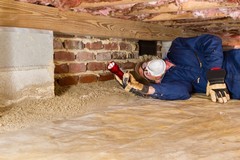
The space beneath your home does more work than most people realize, and it also tends to hide problems until they become serious. Because crawl spaces are dark, damp, and poorly ventilated, they create ideal conditions for fungal growth. Understanding the different types of mold in crawl space environments can help you recognize when a small issue is turning into a costly one, and it can protect your family's health long before anyone notices a musty smell upstairs. When moisture lingers down below, professional damage restoration services in Lansing and its surrounding towns become an important part of keeping your home structurally sound.
Not all mold is the same, and the variety you find in a crawl space often tells a story about how much moisture has been present and for how long. Some molds are mostly cosmetic nuisances, while others signal deeper water intrusion that threatens wood framing and air quality. In this guide, we will walk through the most common molds that develop underneath homes, explain why each one matters, and share what you can do when you suspect growth in your own crawl space.
Why Crawl Spaces Are a Magnet for Mold
Mold needs three things to thrive: moisture, organic material, and a comfortable temperature. A crawl space provides all three in abundance. Wooden joists and subflooring offer plenty of organic food, humidity collects easily in enclosed areas, and the temperature stays mild enough year round to keep spores active. In Michigan, seasonal freeze and thaw cycles, heavy spring rains, and groundwater seepage all add to the problem.
Once moisture settles in, it rarely leaves on its own. Poor drainage, plumbing leaks, and condensation on cold surfaces keep the area damp, and that persistent dampness is exactly why so many homeowners end up dealing with multiple types of mold in crawl space areas at once. Identifying the species involved is the first step toward understanding the risk and the right course of action.
Common Types of Mold Found Beneath Homes
Several molds appear regularly in residential crawl spaces, and each behaves a little differently. Knowing what you are looking at helps you gauge urgency, though testing by a professional is always the most reliable way to confirm.
- Cladosporium: Often olive green to brown or black, this mold grows on wood, fabric, and other surfaces. It is one of the most common indoor molds and can trigger allergy symptoms and respiratory irritation.
- Aspergillus: Appearing in shades of green, white, or yellow, Aspergillus spreads quickly and is known for affecting indoor air quality. Some strains produce mycotoxins that can be harmful with prolonged exposure.
- Penicillium: Typically blue or green with a velvety texture, this fast spreading mold thrives on water damaged materials and is a frequent cause of that distinctive musty odor.
- Stachybotrys chartarum: Commonly called black mold, it grows on constantly wet, cellulose rich materials like wet wood and drywall. It signals serious, ongoing moisture problems and warrants prompt professional attention.
- Trichoderma and Alternaria: Both flourish in damp conditions and can aggravate allergies. They often indicate that condensation or leaks have gone unaddressed.
Seeing any of these does not automatically mean disaster, but it does mean moisture has found a way in. The color alone cannot confirm the species, so treat visible growth as a prompt to investigate the source rather than a diagnosis on its own.
Why the Type of Mold Actually Matters
It would be easy to assume that mold is mold and the only goal is to remove it. The reality is more nuanced. Different molds carry different health implications, and the species present often reveals how severe the underlying moisture issue has become. A light dusting of Cladosporium on a joist may point to elevated humidity, while a thriving colony of Stachybotrys usually means standing water or a chronic leak has been feeding the growth for weeks or months.
From a health standpoint, the various types of mold in crawl space settings can affect people differently. Individuals with asthma, allergies, weakened immune systems, or respiratory conditions are especially vulnerable. Spores travel upward through gaps, ductwork, and the natural stack effect of a home, which means that what grows below can influence the air your family breathes on the main floor. This is why identifying the mold is not just an academic exercise. It shapes both the cleanup approach and the long term prevention plan.
Structurally, certain molds accelerate wood rot. As fungi break down cellulose, framing weakens, floors may begin to sag, and repairs grow more expensive the longer the problem is ignored. Addressing growth early protects both your health and the value of your home.
Health Symptoms That May Signal a Hidden Problem
Because crawl spaces are out of sight, many homeowners first notice a mold issue through how they feel rather than what they see. Persistent sneezing, nasal congestion, itchy eyes, coughing, headaches, and unexplained fatigue can all point to indoor mold exposure. A lingering musty smell that returns no matter how much you clean is another telltale sign.
If symptoms improve when you leave the house and return once you are home again, that pattern is worth taking seriously. Trusting a trained team to evaluate the situation removes the guesswork.
How Professionals Handle Crawl Space Mold
Effective remediation goes far beyond wiping away what you can see. The real work lies in finding and correcting the moisture source so the mold cannot return. A thorough process begins with a careful inspection to locate leaks, assess humidity levels, and identify how far the growth has spread. From there, specialists contain the area to prevent spores from migrating, remove affected materials safely, treat surfaces, and address the drainage or ventilation issues that started the cycle.
Moisture control is the cornerstone of lasting results. Without fixing the underlying dampness, even the most thorough cleanup is only temporary. That is why comprehensive mold remediation in Lansing, MI pairs removal with prevention, giving homeowners a crawl space that stays dry and healthy going forward. For emergencies involving active flooding or sudden intrusion, our emergency restoration team can respond quickly to limit the damage before mold has a chance to take hold.
Nearby communities benefit from the same careful approach. Whether you need help with the types of mold in crawl space areas under an older home or you require water damage restoration in Grand Ledge, the goal remains the same: protect your family and preserve your home.
Protecting Your Home Before Mold Takes Hold
The most reliable defense against crawl space mold is moisture management. Keeping gutters clear, ensuring proper drainage away from the foundation, repairing plumbing leaks promptly, and improving ventilation all reduce the dampness that fungi depend on. Vapor barriers and, in some cases, dehumidification can make a dramatic difference in homes prone to high humidity. Regular inspections help you catch small issues before they grow into expensive ones.
Understanding the different types of mold in crawl space environments gives you a meaningful advantage. It helps you recognize warning signs early, appreciate why professional evaluation matters, and make informed decisions about your home's health. From common allergy triggers to the serious moisture indicators that demand immediate attention, each variety tells you something about the conditions below your floor.
If you suspect mold is growing beneath your home anywhere in Lansing and the surrounding areas, do not wait for it to spread. Reach out to McCardel Restoration for a professional assessment, and let our experienced team restore a clean, dry, and healthy foundation for your home.