
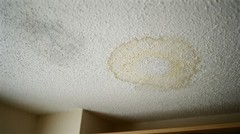
A brown ring spreading across the ceiling is never a welcome sight, and when that ceiling happens to have a textured, bumpy surface, the problem gets more complicated. A popcorn ceiling with water damage presents unique challenges that a smooth ceiling simply does not, from how it absorbs moisture to the safety concerns hiding within the texture itself. Knowing what you are dealing with before you grab a scraper or a paint brush can save you money, time, and potential health risks. If you are facing stains, sagging, or crumbling texture overhead, professional damage restoration services in Lansing and beyond can help you sort out the situation safely.
Popcorn ceilings were a staple of mid-century home construction, prized for hiding imperfections and dampening sound. Unfortunately, that same porous texture soaks up water readily and holds onto it, which means water damage can spread and worsen before you even notice a problem. Understanding your repair options, and the risks involved, is the first step toward getting your ceiling and your home back to normal.
Why Water Damage Is Worse on Popcorn Ceilings
The appeal of a textured ceiling has always been its ability to disguise flaws, but that bumpy surface works against you when water is involved. The spray-on material is highly absorbent, so moisture seeps deep into the texture and the drywall or plaster behind it. Instead of beading up or running off, water lingers, which gives mold and mildew the damp environment they need to take hold.
A popcorn ceiling with water damage often shows warning signs well before the structure fails. You might notice discoloration, a sagging or bulging area, or flakes of texture falling to the floor. In some cases, the entire section can loosen and detach because the saturated material no longer bonds to the surface above. Because the damage is frequently caused by a roof leak, a burst pipe, or an overflow from the floor above, the water staining you see is often just the visible symptom of a larger moisture problem inside the ceiling cavity.
The Asbestos Safety Concern You Cannot Ignore
Before anyone starts scraping, sanding, or disturbing a damaged textured ceiling, there is a serious safety issue to address. Popcorn ceilings installed in older homes, particularly those built or finished before the 1980s, may contain asbestos. When the material is intact and undisturbed, it generally poses little risk. The danger comes when it is damaged, deteriorating, or being removed, because that is when microscopic fibers can become airborne and inhaled.
This is exactly why a popcorn ceiling with water damage deserves extra caution. The moisture may already be loosening the texture, and your first instinct to clean up loose debris could release harmful particles into your living space. If your home is older and you are unsure of the ceiling's age or composition, do not sand or scrape it yourself. Testing by a qualified professional is the only reliable way to know what you are working with, and proper containment and removal procedures protect everyone in the household.
Repair Options for a Damaged Textured Ceiling
Once the source of the leak is fixed and the area is confirmed safe to work on, you generally have a few paths forward. The right choice depends on how extensive the damage is, whether mold is present, and the condition of the drywall behind the texture.
- Spot repair and reblending: For small, isolated stains where the drywall remains sound, the affected texture can be removed, the drywall sealed and primed with a stain-blocking product, and new texture sprayed or applied to match the surrounding area. Blending popcorn texture seamlessly takes skill, so patches can be noticeable if done carelessly.
- Full ceiling removal and replacement: When damage is widespread, the drywall is compromised, or mold has developed, removing the entire ceiling is often the more sensible route. Many homeowners take this opportunity to switch to a smooth, modern finish rather than reapplying texture.
Keep in mind that simply painting over a water stain rarely solves anything. Without addressing the moisture source and the condition of the material underneath, the stain will bleed back through and the underlying damage will continue to progress. Any lasting repair starts with eliminating the water intrusion first.
Why Drying and Moisture Control Come First
It can be tempting to focus on the cosmetic fix, but the structure above the texture matters far more than appearance. Trapped moisture in drywall, insulation, and framing can lead to persistent mold growth, wood rot, and weakened materials that eventually fail. A popcorn ceiling with water damage almost always means the cavity above it needs to be assessed and thoroughly dried before any repair begins.
Professional restoration crews use moisture meters and specialized drying equipment to confirm that everything behind the ceiling is fully dry, not just dry to the touch. This step is easy to overlook when you handle repairs on your own, and skipping it is one of the most common reasons water damage comes back. Addressing the moisture properly is also what prevents a minor ceiling issue from turning into a major mold remediation in Lansing down the road.
When to Call a Professional
Some water stains are small enough to manage, but a damaged textured ceiling often carries risks that justify professional help. If the ceiling is sagging, if you suspect asbestos, if mold is visible or suspected, or if the leak involves a significant amount of water, it is wise to bring in a trained restoration team rather than tackling it alone. The same is true for ceilings affected by storm damage or sudden plumbing failures, where fast response makes a real difference in the outcome.
At McCardel Restoration, our technicians locate the source of the moisture, dry the affected areas thoroughly, handle safety concerns with proper protocols, and restore your ceiling so it looks right again. We serve homeowners throughout Lansing and the surrounding areas, and if a sudden leak leaves your home vulnerable, our emergency restoration services are available when you need help quickly. We also provide water damage restoration in Eaton Rapids and neighboring communities, so support is never far away.
A popcorn ceiling with water damage is more than a cosmetic nuisance. It is a signal that water has found its way somewhere it should not be, and that signal deserves a thorough response rather than a quick coat of paint. By identifying the source, drying the space completely, respecting the potential safety hazards, and choosing a repair approach that fits the extent of the damage, you protect both your home and the people in it.
If you are staring up at a stained or sagging ceiling and are not sure where to begin, reach out for a professional assessment. Getting expert eyes on the problem early often means a smaller, simpler repair and the peace of mind that the job was done safely and correctly from the start.