
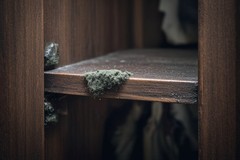
That musty smell drifting out every time you open the closet door is rarely just old shoes. More often, it is the early warning sign of mold quietly spreading across walls, baseboards, and the backs of hanging garments. Closets are among the most overlooked spots in any home, which is exactly why they become such a comfortable home for mold spores. If you have noticed fuzzy patches, discoloration, or that unmistakable damp odor, understanding how to get rid of mold in closet areas is the first step toward reclaiming a clean, healthy space. For homeowners who need professional help, our team offers trusted damage restoration services in Lansing and beyond.
Mold does not need much to thrive. A little moisture, poor airflow, and organic material like cotton, cardboard, or drywall create the perfect conditions. Because closets are usually closed, dark, and stuffed with belongings, they trap humidity and hide the problem until it has spread. The good news is that with the right approach, you can remove mold completely and keep it from coming back.
Why Closets Are Prone to Mold
Closets combine nearly every factor mold loves. They are enclosed, which limits ventilation and allows humid air to settle. Many closets share a wall with a bathroom, exterior wall, or plumbing line, so condensation and small leaks can go unnoticed for weeks. Add damp clothing, stored towels, or shoes that never fully dry, and you have a steady source of moisture feeding any spores that drift in.
Temperature differences also play a role. When a cool exterior wall meets warmer indoor air, condensation forms on the surface, creating the thin layer of moisture mold needs to take hold. Over time, that moisture seeps into drywall, carpet, and wooden shelving, giving mold a deeper foothold that surface cleaning alone cannot reach.
How to Get Rid of Mold in Closet Spaces Step by Step
Before you start, protect yourself with gloves, a mask, and eye protection, and open nearby windows for ventilation. Small, contained areas of surface mold are often something a homeowner can handle, while larger or recurring growth usually calls for a professional. Here is a practical sequence to follow when you want to learn how to get rid of mold in closet surfaces safely.
- Empty the closet completely, inspecting each item for signs of mold and setting aside anything that is heavily affected.
- Wash washable fabrics in hot water and dry them fully in sunlight if possible, since UV light helps kill lingering spores.
- Clean hard surfaces like shelves, walls, and baseboards using a solution of water and detergent, scrubbing gently to lift the growth without spreading spores.
- Dry everything thoroughly with fans or a dehumidifier, because leftover moisture invites regrowth almost immediately.
- Inspect porous materials such as drywall, carpet padding, or cardboard storage boxes, and replace anything that stays stained or saturated.
Vinegar is another option many homeowners reach for because it penetrates slightly better than soap on nonporous surfaces. Whatever cleaner you choose, the key is to avoid simply wiping mold away while leaving the moisture source intact. If the mold returns within days or weeks, that is a clear sign the underlying humidity problem has not been solved.
When the Problem Goes Deeper Than the Surface
Sometimes a closet is only the visible symptom of a larger issue. Mold that keeps returning, spreads across more than a few square feet, or appears alongside water stains usually points to a hidden leak or chronic humidity problem behind the walls. In these cases, scrubbing the surface will never fully solve it. The spores inside the drywall, insulation, or subfloor continue to grow and release new colonies.
This is where professional help matters. Trained technicians can measure moisture levels, identify the source, and safely remove contaminated materials without releasing spores throughout your home. Knowing how to get rid of mold in closet areas completely often means addressing the water intrusion that caused it in the first place. If you are dealing with a persistent closet issue tied to a nearby leak, our team provides thorough mold remediation in Lansing designed to treat the root cause, not just the symptoms.
Preventing Mold From Coming Back
Removal is only half the battle. Once your closet is clean, the goal is to keep conditions too dry and well ventilated for mold to return. Start by improving airflow. Leaving the closet door open periodically, installing a louvered door, or adding small vents can make a surprising difference. A closet packed wall to wall with belongings traps humidity, so leaving a little breathing room between items helps air circulate.
Controlling moisture is equally important. A small dehumidifier or moisture absorber keeps humidity in check, especially in closets along exterior walls. Make sure clothing and shoes are completely dry before storing them, and swap cardboard boxes for plastic bins, since cardboard feeds mold and holds dampness. If you notice condensation forming on an exterior closet wall, adding insulation can reduce the temperature difference that creates it.
It also pays to stay alert to warning signs elsewhere in the home. Moisture problems rarely stay in one spot, and a closet issue can be an early clue of a larger water concern. Homeowners across Lansing and the surrounding areas often discover that a damp closet traces back to a roof leak, plumbing issue, or poor drainage that deserves a closer look.
Protecting Your Belongings and Your Health
Mold does more than damage walls. It can stain and weaken fabrics, leather, and wood, and it may affect indoor air quality for anyone sensitive to spores. Clothing with heavy mold growth, particularly items made of natural fibers, may not be salvageable, but many belongings can be cleaned and restored when handled properly. For valuable or sentimental items caught in a larger event, our contents restoration services in the Lansing area help recover what matters most.
Taking action early protects both your possessions and your home's structure. The longer mold sits, the more it spreads into materials that are expensive to replace. Quick, thorough cleanup almost always costs less and preserves more than waiting until the problem becomes widespread.
Bringing It All Together
Tackling mold in a closet comes down to three things: removing the existing growth, eliminating the moisture that caused it, and keeping conditions dry going forward. For small, contained spots, a careful cleaning and better ventilation may be all you need. When mold keeps returning or hides behind the walls, that persistence is a signal to bring in professionals who can find and fix the source.
McCardel Restoration proudly serves homeowners throughout the region, from closet mold concerns to larger projects like water damage restoration in Howell and neighboring communities. If that musty smell will not go away or you suspect the problem runs deeper than the surface, reach out for a professional assessment. Getting ahead of mold now protects your belongings, your air quality, and the long term health of your home.