
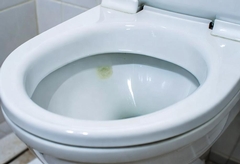
Few household issues are as perplexing as discovering mold growing in your toilet. Encountering these unsightly black spots might make you wonder about the underlying dangers and how best to address the problem. Mold can pose health risks, especially in environments where you expect cleanliness, such as bathrooms. Mold growth is not only unsightly but can also lead to uncomfortable breathing conditions. While a common household nuisance, understanding how to tackle mold in toilets effectively is crucial. As a leading damage restoration company in Lansing and its neighboring communities, McCardel Restoration often addresses this uncomfortable and potentially hazardous issue for local homeowners.
So, why does mold find its way into what seems like an unlikely place? The answer lies in the moist environment that toilets provide, coupled with the organic materials found in waste. These conditions create a perfect breeding ground for mold. Ignoring mold growth can lead to more extensive problems, making early intervention essential. This post will guide you through identifying the causes of mold in your toilet and providing practical steps for removing and preventing it. Understanding the nature of your mold problem is the first step toward a mold-free bathroom.
Understanding Mold Growth in Toilets
Mold spores are everywhere, invisible to the naked eye but waiting for the right conditions to grow. In the case of toilets, mold loves the damp environment, especially if the bathroom is not frequently used or cleaned. Factors contributing to mold growth include humidity, infrequent flushing, mineral deposits, and organic residues. Toilets in bathrooms without exhaust fans or windows are particularly susceptible as they trap humidity, aiding mold growth.
Not all molds in toilets pose severe health risks, but some, like black mold, can lead to respiratory issues and allergic reactions. Mold thrives in environments with organic matter as a food source, which is why you often find it in porcelain toilet bowls and tanks where moisture and nutrients are present. Regardless of the type, any visible mold in your toilet should be removed promptly to maintain a clean home.
Identifying the Causes of Mold in Your Toilet
Several factors contribute to mold growing in your toilet. First, a toilet’s design naturally accumulates moisture, providing ideal conditions for mold growth. Poor ventilation exacerbates the problem by trapping steam and moisture in small spaces. Additionally, water with high mineral content can leave deposits that support mold growth.
When a toilet isn’t flushed regularly, sediments and residues form a biofilm, which provides nutrition for mold. Hard water stains can likewise encourage mold to grow by offering a rough surface for mold spores to attach. The complex interaction between these conditions creates an environment almost tailor-made for mold to thrive.
To counteract these adverse conditions, make a habit of flushing unused toilets weekly and ensure your bathroom is well-ventilated. Keeping the lid open when not in use can promote better air circulation within the tank. Plumbing maintenance and frequent inspections help in identifying any issues early on.
How to Remove Mold from Your Toilet
If mold is present in your toilet, addressing it efficiently is key. Here's a simple step-by-step process to eliminate mold and keep it from coming back:
- Safety First: Begin by protecting yourself with appropriate equipment. Wear gloves, goggles, and a face mask to prevent inhaling spores.
- Cleaning Solution Prep: Mix an effective cleaning solution. Vinegar and baking soda, or a diluted bleach solution, are often used for their mold-fighting properties.
- Scrub and Soak: Thoroughly scrub the affected areas inside the toilet bowl using a toilet brush. Let the cleaning solution sit for at least 15-20 minutes to ensure mold spores are killed.
- Flush: Flush the toilet to rinse away the cleaning solution and any remaining mold.
- Tank Treatment: Don’t forget the tank. Pour a cleaning solution into the tank, scrub it, and allow it to sit before flushing to prevent future mold growth.
Adopting a scheduled cleaning routine is crucial in preventing mold from making a return. Regular cleaning interrupts the growth cycle of mold spores, keeping your toilet clean and mold-free.
Preventive Measures for a Mold-Free Toilet
Preventing mold is often easier than dealing with existing mold. Regularly cleaning your toilet is the most straightforward way to disrupt the mold growth cycle. Using a toilet cleaner with antifungal properties can keep mold at bay. Furthermore, regular bathroom maintenance, such as ensuring good ventilation and addressing any leaks immediately, can significantly reduce mold risk.
Installing a bathroom fan or using a dehumidifier can greatly assist in controlling humidity levels, making the environment less hospitable to mold. Additionally, paying attention to plumbing around your toilet for leaks is important for preventing unseen mold growth, especially within the tank, where it may not be immediately noticed.
Role of Professional Mold Remediation
Sometimes, despite our best efforts, mold issues persist. This is when professional services become crucial. Engaging a professional mold remediation service can ensure all mold issues are comprehensively addressed. Professionals have the expertise to identify underlying problems that contribute to persistent mold issues, offering solutions that prevent recurrence.
In cases where mold infestation is extensive, like damage from a sewer backup or contaminated water source, enlisting the help of experts ensures complete and safe removal. Their specialized tools and cleaning agents are often more effective than household-level interventions. For example, McCardel Restoration, offering mold remediation in Lansing, provides thorough inspections, effective mold removal, and preventive strategies tailored to your home’s specific needs.
Protecting Your Home and Health
Maintaining a clean and mold-free toilet is part of ensuring a healthy home environment. Left unchecked, mold can affect not just your health but also impact your toilet’s structural integrity by encouraging rust or corrosion. Regular cleaning and maintenance of your toilet and bathroom can mitigate the risks associated with mold problems.
Understanding the causes and solutions for mold growth puts you in control of your home’s health standards. These efforts are complemented by professional services that ensure that even hidden mold is addressed—thereby significantly reducing potential health risks. McCardel Restoration backs this approach with its reputation for thoroughness and dedication to client satisfaction.
If you find yourself overwhelmed by mold, rest assured knowing help is available. Mold remediation in Bath and its surrounding areas ensures every corner of your home is mold-free. Through professional services, you can achieve peace of mind and a healthier living environment. Whether minor or extensive, McCardel Restoration is prepared to handle your mold issues with expertise and care.
Is mold becoming an ongoing issue despite your efforts? McCardel Restoration offers comprehensive mold remediation services designed to restore a healthy environment in your home. With locations serving Holt and other surrounding areas, rediscover peace of mind by contacting us today for your mold and restoration needs.