
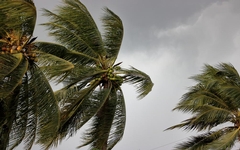
Hurricanes are a force of nature that can wreak havoc on any landscape they encounter. But, how bad is a Category 4 hurricane? To put it simply, these storms are catastrophic. With wind speeds ranging from 130 to 156 mph, they have the power to inflict severe damage to well-built homes, uproot trees, and disrupt power lines. For residents in susceptible areas, understanding the potential impact of such a storm is crucial. For those in Lansing, a premier damage restoration company like McCardel Restoration offers essential services to navigate the aftermath and restore what's been lost.
A Category 4 hurricane represents one of the highest levels of ferocity and destruction that nature can unleash. In this blog post, we'll delve into the specifics of a Category 4 hurricane, exploring its characteristics, the scale of damage it can cause, and how individuals and communities can respond effectively. With insights into the restoration processes that follow, this overview aims to prepare and inform.
Characteristics of a Category 4 Hurricane
Before diving into the extent of damage a Category 4 hurricane can cause, it’s essential to understand what defines this level of storm. According to the Saffir-Simpson Hurricane Wind Scale, a Category 4 hurricane is a major hurricane that exhibits the following characteristics:
- Wind Speeds: Ranges from 130 to 156 mph. These powerful winds can snap and uproot trees, destroy roofs, and annihilate infrastructures.
- Storm Surge: Often results in 13 to 18 feet of storm surge, exacerbating flooding risks in coastal and low-lying areas.
- Rainfall: Can produce immense rainfall, leading to flash flooding and an overwhelming strain on drainage systems.
With such destructive qualities, the importance of preparedness and having a responsive action plan in place cannot be overstated.
The Destructive Power: How Bad is a Category 4 Hurricane?
The true question, how bad is a Category 4 hurricane, is best answered through the damages it can inflict:
- Structural Damage: Well-built framed homes may incur significant damage or complete roof failure. Often, on weaker structures, the destruction can be total.
- Power and Utility Losses: Power outages can last weeks or even months. Water supplies may become contaminated or unavailable.
- Environmental Impact: Uprooting of trees and other types of flora can lead to landscape changes and loss of ecosystems. These changes may take years to revert back to their original state.
- Economic Disruption: Businesses may face prolonged closures due to damaged infrastructure, leading to a broad economic impact on the affected region.
In the United States, hurricanes impacting the Gulf and Eastern Seaboard bring challenges that require skilled intervention, such as competent storm damage restoration in Lansing and its neighboring communities to recover and rebuild communities effectively.
Community and Personal Preparedness
Preparation is the foremost defense against the devastating effects of Category 4 hurricanes. While there is no way to eliminate the risks entirely, there are several steps you can take to mitigate them:
- Planning: Develop a hurricane plan that includes evacuation routes, communication plans, and emergency kits packed with necessary supplies.
- Home Fortification: Reinforce roofs and windows and secure outdoor items that can become projectiles.
- Insurance Review: Ensure your policy covers hurricane impacts, including wind and water damage, which are predominant in such storms.
Proper preparation can save both lives and property, reducing the magnitude of the hurricane’s impact.
The Role of Restoration Services
In the aftermath of a Category 4 hurricane, restoration services play a crucial role in recovery. Experienced professionals help with:
- Water Damage Restoration: Rapid response to standing water can prevent additional losses from mold and mildew.
- Structural Assessments: Evaluations to determine the extent of damage and the best approach for repairs.
- Debris Cleanup: Removal of tree limbs, parts of destroyed structures, and other debris is necessary for reclaiming usable land.
For residents of Lansing and surrounding areas, McCardel Restoration provides comprehensive storm damage restoration services, ensuring that recovery efforts begin promptly and efficiently.
Helping the Community Bounce Back
The recovery process post-hurricane requires concerted community efforts alongside professional restoration services. Here’s how collaboration aids in the rebuilding phase:
- Support Systems: Neighbors helping neighbors clear debris and provide temporary shelter until power and water are restored.
- Local Government Initiatives: Implementing programs for infrastructure rebuilding and economic support for individuals and local businesses.
- Continuous Preparedness: Raising awareness and educating residents about hurricane preparedness can fortify communities and minimize future risks.
While the destruction a hurricane brings can seem insurmountable, history shows that communities can and do rebuild, often becoming more resilient than before.
Investing in Professional Restoration
Understanding the gravity of a Category 4 hurricane is just one facet of effectively preparing for and responding to these storms. In the aftermath, obtaining professional help is often a crucial step. Whether in the form of mold remediation in Portland or storm damage restoration in Howell and nearby cities, the efficiency and effectiveness of the recovery process hinge largely on qualified and adept interventions.
Professionals have the skills and equipment needed to tackle even the worst consequences of a hurricane. With companies like McCardel Restoration, you gain access to expert resources and support, ensuring that your home and community can recover as swiftly and smoothly as possible.
To prepare for the unpredictable and ensure that you are well-protected against future hurricanes, consider contacting McCardel Restoration. Our experts in storm damage restoration are here to help you every step of the way, from mitigating initial damage to rebuilding and fortifying for the future. It's never too early to protect what matters most and restore peace of mind within your home and community.