
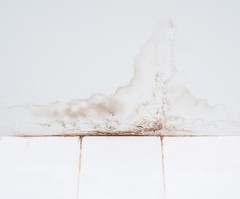
That faint musty smell in the basement, the fogged-up windows on a cool morning, the peeling paint near a bathroom ceiling. These small clues often point to a larger issue hiding inside your walls, floors, and air. If you have ever asked yourself what causes moisture in a house?, you are already ahead of many homeowners who ignore the early warning signs until a small problem becomes a costly one. At McCardel Restoration, we help families across the region protect their homes, and we offer damage restoration services in Lansing, MI when moisture turns into something more serious.
Understanding where excess humidity comes from is the first step toward keeping your home healthy, comfortable, and structurally sound. Michigan's seasonal swings, from humid summers to freezing winters, only add to the challenge. Let's walk through the most common culprits and what you can do about them.
Everyday Living Adds More Moisture Than You Think
Your daily routine introduces a surprising amount of water into the air. Cooking, showering, running the dishwasher, doing laundry, and even breathing all release humidity. A family of four can add several gallons of moisture to indoor air over the course of a single day. When that vapor has nowhere to go, it settles on cool surfaces like windows, mirrors, and exterior walls.
This is why ventilation matters so much. Bathrooms and kitchens should have working exhaust fans that vent directly outside, not into an attic or crawl space. Without proper airflow, that everyday moisture builds up and creates the damp conditions that mold and mildew love. If you have ever noticed condensation lingering long after a hot shower, your ventilation may need attention.
What Causes Moisture in a House? Structural and Weather Factors
Beyond daily activities, the building itself plays a major role. When homeowners ask what causes moisture in a house?, the answer often lies in the foundation, roof, and surrounding soil. Water can enter through cracks in the foundation, poorly sealed basement walls, or grading that slopes toward the home instead of away from it. Rain and melting snow then find their way inside, raising humidity levels in lower floors.
Michigan weather makes this worse. Heavy spring rains, summer storms, and the freeze-thaw cycle of winter all stress the exterior of your home. Clogged gutters allow water to pool near the foundation, while ice dams can force melting snow under your shingles. Over time, these issues create chronic dampness that spreads far beyond the point of entry. If a storm has already caused visible intrusion, our team provides storm damage restoration to address the source and dry out affected areas quickly.
Hidden Leaks and Plumbing Problems
Some of the sneakiest moisture sources are the ones you cannot see. A slow leak behind a wall, under a sink, or beneath a slab can release water for weeks or months before you notice a stain or smell. Pinhole leaks in supply lines, corroded fittings, and worn seals around fixtures all contribute to elevated humidity without any obvious flooding.
Winter brings an added risk in our climate. When temperatures plunge, unprotected pipes can freeze and burst, sending water into walls and floors. This is one of the most common calls we receive, and prompt frozen and burst pipe repair can prevent a minor rupture from soaking an entire level of your home. If you notice an unexplained spike in your water bill, warm spots on the floor, or a persistent damp odor, a hidden leak may be to blame.
Warning Signs You Should Never Ignore
Recognizing the symptoms of excess moisture early can save you thousands in repairs. Your home usually gives you plenty of hints before serious damage sets in. Keep an eye out for the following:
- Persistent condensation on windows, pipes, or walls
- Musty or earthy odors, especially in basements and closets
- Peeling paint, bubbling wallpaper, or warped wood trim
- Visible mold spots or dark staining on ceilings and walls
- A clammy feeling in certain rooms even when the HVAC is running
Any one of these signs suggests that humidity is building somewhere it should not. Left unchecked, that moisture creates the perfect environment for mold, which can affect both your home's structure and your family's air quality. When mold has already taken hold, professional mold remediation in Lansing and its nearby vicinities removes the growth safely and addresses the underlying moisture that caused it.
How to Control Indoor Moisture
The good news is that most humidity problems are manageable once you understand their source. Start by improving airflow and reducing the amount of moisture you add to the air. Running bathroom and kitchen fans, using a dehumidifier in damp basements, and keeping indoor humidity between roughly 30 and 50 percent all make a noticeable difference. Simple habits, like wiping down shower walls and drying wet laundry outside or in a vented area, help too.
Outside the home, direct water away from your foundation. Clean your gutters regularly, extend downspouts several feet from the house, and make sure the soil slopes away from the structure. Inspect your roof and attic periodically for leaks or poor ventilation. Sealing foundation cracks and insulating exposed pipes rounds out a solid defense against unwanted moisture. Many homeowners in Lansing and the surrounding areas find that a few of these adjustments dramatically reduce their humidity headaches.
Even with careful maintenance, water sometimes wins. A burst pipe, a flooded basement, or a storm can overwhelm your defenses in a matter of hours. When that happens, quick action limits the damage. Our emergency damage restoration team responds fast to extract water, dry structures, and prevent mold from taking root.
When to Call the Professionals
There is a difference between managing everyday humidity and dealing with active water damage. If you discover standing water, widespread mold, or moisture that keeps returning no matter what you do, it is time to bring in experienced restoration specialists. Professionals use moisture meters, thermal imaging, and industrial drying equipment to find hidden water and remove it completely, something a household fan or dehumidifier simply cannot accomplish.
McCardel Restoration serves homeowners throughout mid-Michigan and beyond. If you are outside our primary service area, we also offer water damage restoration in Grand Rapids to help more families recover from moisture-related problems. Wherever you are, catching the issue early always leads to a better outcome.
So the next time you wonder what causes moisture in a house?, remember that the answer usually involves a combination of daily habits, building conditions, and hidden leaks working together. By staying alert to the warning signs and controlling humidity at its source, you can protect your home for years to come. And if moisture ever gets ahead of you, reach out to our team for a professional assessment and a plan to make your home dry, safe, and comfortable again.