
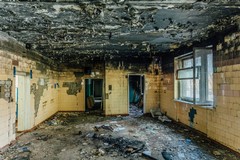
When a fire is finally out and the smoke clears, most homeowners breathe a sigh of relief. Yet the danger is often far from over, and one of the biggest surprises after a blaze is the relationship between fire damage and mold. The water used to extinguish flames, combined with lingering moisture and compromised building materials, creates the exact conditions mold needs to thrive. If you are facing this situation, professional damage restoration services in Lansing and its nearby neighborhoods can help you address both problems before they spiral into something larger and more expensive.
Understanding how these two issues feed into each other is the first step toward protecting your property and your health. Fire leaves behind more than charred walls and soot. It opens the door to a secondary wave of damage that can quietly spread through your home in the days and weeks that follow. Knowing what to watch for makes all the difference.
Why Mold Follows a Fire
It may seem counterintuitive that something as wet as mold would appear after something as dry and hot as a fire. The connection comes down to water. Firefighters use large volumes of water and sometimes chemical suppressants to control a blaze, and all of that moisture saturates drywall, insulation, carpeting, wood framing, and furniture. Once the excitement ends, that moisture settles deep into porous materials where it is difficult to detect and slow to dry.
Mold spores are already present in nearly every indoor environment. They remain harmless until they find moisture, warmth, and an organic food source. A fire-damaged home offers all three in abundance. Within 24 to 48 hours, mold can begin to colonize damp surfaces, which is why the overlap between fire damage and mold develops so quickly. The longer standing water and humidity remain untreated, the greater the chance that mold will take hold in places you cannot easily see.
The Hidden Places Mold Likes to Hide
One of the challenges of dealing with fire damage and mold together is that both can conceal themselves behind the surfaces you look at every day. Smoke residue may darken a wall while mold quietly grows inside it. Common problem areas include the cavities behind drywall, under flooring, inside HVAC ductwork, within insulation, and in basements or crawl spaces where water naturally collects.
Because these spaces are out of sight, many property owners assume the worst is over once visible soot is cleaned away. Unfortunately, moisture trapped in wall cavities can continue feeding mold growth for weeks. A musty odor, discoloration that keeps returning, or unexplained allergy-like symptoms are all signs that something may be developing out of view. Professional moisture detection tools can identify these trouble spots long before they become obvious to the naked eye.
Health Concerns You Should Not Ignore
The combination of fire damage and mold presents a double threat to indoor air quality. Smoke and soot particles can irritate the lungs, eyes, and skin, and they often carry toxic compounds from burned synthetic materials. When mold enters the picture, it adds its own set of risks, including respiratory irritation, aggravated asthma, headaches, and allergic reactions for sensitive individuals.
Children, older adults, and anyone with existing respiratory conditions are especially vulnerable. This is why returning to a fire-damaged home before it has been properly assessed can be hazardous. What looks like a simple cleanup project may expose your family to airborne contaminants from both soot and mold at the same time. Addressing air quality is not just about comfort, it is a genuine safety concern that deserves professional attention.
How Professional Restoration Tackles Both Problems
Treating fire damage and mold as separate projects often leads to incomplete results. A thorough restoration approach addresses them together, recognizing that the moisture from firefighting efforts is what ties them. The process generally starts with a detailed inspection to map the extent of fire, smoke, and water damage, followed by moisture readings to locate hidden dampness.
From there, the work typically moves through several coordinated stages that protect the home and restore it to a safe condition:
- Securing the structure, including emergency board up services in Lansing when windows, doors, or the roof have been compromised.
- Extracting standing water and deploying industrial drying equipment to pull moisture from building materials.
- Removing soot, smoke residue, and any materials too damaged to salvage.
- Treating and remediating mold colonies, then applying measures to discourage regrowth.
- Cleaning and deodorizing to eliminate lingering smoke and musty odors.
Handling these steps in the right order matters. Drying the structure before mold has a chance to establish itself is far easier than removing an entrenched colony later. Experienced crews understand this timing and work quickly to minimize secondary damage. Salvageable belongings can also be addressed through contents restoration services in the Lansing area, which help recover furniture, documents, and sentimental items affected by smoke and moisture.
What Homeowners Can Do Right Away
While professional help is essential, the actions you take in the first hours after a fire can influence the final outcome. Safety always comes first, so wait for clearance from fire officials before entering the property. Once it is safe, avoid touching soot-covered surfaces, since improper cleaning can drive particles deeper and spread contamination.
If conditions allow and it is safe to do so, increasing ventilation can help reduce moisture, though it is no substitute for professional drying equipment. Do not run your HVAC system, as it may circulate soot and mold spores throughout the home. Most importantly, document everything with photographs for your insurance claim. Understanding the connection between fire damage and mold can help you communicate clearly with both your insurer and your restoration team about the full scope of work needed. For context on how claims and costs often unfold, our guide to fire damage restoration in Lansing, MI offers helpful background.
Acting Quickly Protects Your Home and Your Health
The most important takeaway is that fire damage rarely stands alone. The water and moisture that accompany firefighting efforts set the stage for mold, and the two problems must be addressed together to fully restore a safe living environment. Delays only give mold more time to spread, drive up costs, and increase health risks for everyone in the household.
Timing, proper equipment, and trained professionals are what separate a successful recovery from a lingering problem. Whether you are dealing with a small kitchen fire or significant structural damage, treating the aftermath with urgency and expertise pays off in the long run. Residents throughout Lansing and the surrounding communities can rely on prompt, thorough service when the unexpected happens, and homeowners seeking mold remediation in Haslett and neighboring areas have local support close at hand.
If your property has been affected by fire and you are worried about what might be growing behind the scenes, do not wait for the warning signs to multiply. Reach out for a professional assessment, explore our emergency restoration services, and let an experienced team guide you through the recovery. Addressing fire damage and mold early is the surest way to protect your home, your belongings, and the health of the people who matter most.