
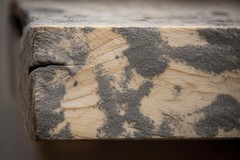
Wood is one of the most common building materials in Michigan homes, and unfortunately it is also one of mold's favorite places to grow. Because wood is porous and holds moisture, it can quietly host mold long before you ever notice a musty smell or a visible stain. Knowing what does mold on wood look like in its earliest stages can save you from costly structural repairs and protect the health of everyone in your household. As a trusted damage restoration company in Lansing, MI, we have seen how quickly a small patch of surface growth can spread into a serious problem.
The good news is that early mold is often easy to spot once you know what to watch for. In this guide, we will walk through the visual clues, the areas most prone to growth, and the steps you can take when you find something questionable on your wood surfaces.
What Does Mold on Wood Look Like in Its Early Stages?
Early mold growth on wood rarely looks dramatic. It often begins as small, fuzzy or powdery spots that range in color from white and gray to green, black, or even orange. On unfinished or untreated wood such as framing, subflooring, or attic sheathing, mold tends to appear as thread-like patches that seem to sit slightly above the surface. On finished or sealed wood, it may look more like a smudge or a cluster of dark specks that will not wipe away cleanly.
Homeowners frequently ask what does mold on wood look like compared to ordinary dirt or water stains. A useful test is texture and pattern. Dirt is usually smooth and uniform, while mold has a raised, irregular, sometimes fuzzy texture that spreads outward in blotchy shapes. Water stains, on the other hand, are typically flat and discolored without any fuzziness. If the discoloration keeps returning after cleaning, mold is the likely culprit.
Colors and Textures to Watch For
Mold does not come in a single color, and the shade can hint at how established the growth has become. White or light gray mold is often newer and easier to remove, while black or dark green mold usually signals that moisture has been present for a longer period. You may also notice a velvety or slimy appearance depending on the species and how wet the wood is.
Beyond color, pay attention to how the wood itself is changing. Mold that has penetrated deeper can cause the wood to soften, darken unevenly, or develop a slightly spongy feel. When you understand what does mold on wood look like as it matures, you can better judge whether you are dealing with a fresh surface issue or a hidden problem that has been growing for weeks or months.
Where Mold Hides on Wood Around the Home
Mold thrives where moisture and limited airflow meet, so certain areas of a home deserve extra attention. Basements and crawl spaces are common trouble spots because they trap humidity and often have exposed wooden joists and beams. Attics can develop mold on roof sheathing when ventilation is poor or when a roof leak goes unnoticed. Bathrooms, laundry rooms, and areas beneath sinks are also prone to growth thanks to steady humidity and occasional leaks.
Window sills and door frames made of wood collect condensation, especially during Michigan's cold months, which makes them another frequent starting point. Do not forget hardwood floors and the subfloor beneath them, particularly after any plumbing issue or flooding event. If your home has experienced any moisture intrusion, checking these hidden wooden surfaces should be near the top of your list.
Other Warning Signs Beyond What You Can See
Sometimes the earliest indicator is not visual at all. A persistent musty or earthy odor often signals mold growing in a spot you cannot easily see, such as behind baseboards or under flooring. If you notice that smell in a specific room, it is worth investigating the nearby wood surfaces closely.
Physical symptoms can also be a clue. Increased sneezing, coughing, itchy eyes, or worsening allergy symptoms that ease when you leave the house may point to hidden mold. Any recent water event, from a burst pipe to a slow drip under a cabinet, dramatically raises the risk. Because mold can begin developing within 24 to 48 hours of moisture exposure, acting quickly after a leak matters. Prompt attention to water damage restoration in Lansing, MI can stop mold before it ever has a chance to take hold on your wood framing and floors.
What to Do When You Find Mold on Wood
Finding a suspicious patch on a beam or floorboard does not always mean disaster, but it does call for a measured response. Very small areas of surface mold on non-structural wood can sometimes be cleaned by a homeowner, provided you protect yourself and address the underlying moisture. For anything larger than a small patch, or any mold on structural wood, professional evaluation is the safer path.
Here are a few practical first steps to take when you spot potential mold:
- Identify and stop the moisture source, whether it is a leak, poor ventilation, or high humidity.
- Avoid disturbing or brushing the growth, since this can release spores into the air.
- Keep the area ventilated and dry, and limit foot traffic through the affected space.
- Photograph the growth so a professional can assess its extent and progression.
- Contact a qualified restoration team if the area is large, recurring, or on load-bearing wood.
Disturbing mold without proper containment can spread spores throughout your home and make the problem worse. Professionals use containment barriers, specialized equipment, and safe removal methods to address both the visible growth and the moisture feeding it. If you are outside the immediate metro and need help, our team also provides mold remediation in Fowlerville and surrounding communities.
Why Early Action Matters
Mold on wood is not just a cosmetic concern. Left unchecked, it can weaken framing, floor joists, and subflooring, compromising the structural integrity of your home over time. It can also contribute to ongoing air quality problems that affect your family's comfort and health. The earlier you recognize the signs, the smaller and less expensive the remediation tends to be.
That is why learning what does mold on wood look like is such a valuable skill for any homeowner. A quick monthly glance at your basement joists, attic sheathing, and under-sink cabinets can catch trouble while it is still manageable. When moisture problems do arise, addressing them promptly keeps mold from gaining a foothold in the first place.
If you have discovered growth you are unsure about, or you simply want peace of mind after a leak or flood, our experienced team serves Lansing and the surrounding areas with thorough inspection and remediation services. You can reach out to our emergency restoration team any time, and we are always happy to help you protect the home you have worked so hard to maintain. Get in touch for a professional assessment and let us help you keep your wood surfaces clean, dry, and mold-free.