
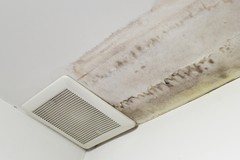
A faint brown ring on the ceiling might seem harmless, but it can be the first hint of a much bigger problem hiding above your head. When moisture seeps into drywall, insulation, and framing, the conditions become ideal for mold to take hold, often long before you notice a musty smell. Understanding the connection between water damage and ceiling mold is one of the best ways to protect your home, your health, and your budget. If you ever spot trouble overhead, our team offers professional restoration services in Lansing and itrs nearby communities to help you respond quickly and correctly.
Mold does not need much to thrive. A slow roof leak, a burst pipe, or even weeks of high humidity can supply enough moisture to feed a colony. Because ceilings are out of the way and easy to ignore, they are one of the most common places for hidden growth. The sooner you learn to read the warning signs, the better your chances of stopping a small issue before it turns into a costly repair.
Why Ceilings Are So Vulnerable
Ceilings sit directly beneath some of the most leak-prone parts of a house, including the roof, attic, upstairs bathrooms, and plumbing runs. Gravity pulls water downward, so any leak above tends to collect and spread across ceiling drywall. That drywall is made from paper-faced gypsum, an organic material that mold happily consumes once it gets damp.
Poor attic ventilation makes things worse. Warm, moist air rises and condenses on cooler surfaces, leaving a steady film of moisture that never fully dries. Combine that with insulation trapping the dampness in place, and you have a recipe for growth that can spread for weeks unseen. This is exactly why water damage and ceiling mold so often go hand in hand, and why an unaddressed leak rarely stays a simple cosmetic concern.
Warning Signs You Should Never Ignore
Most homeowners notice something feels off before they can name it. A room that smells earthy or stale even after cleaning is a classic early clue, because mold releases odors as it grows. Trust your nose, especially in bathrooms, laundry areas, and rooms directly below the attic.
Visible changes on the ceiling itself are the most obvious red flags. Keep an eye out for the following, which frequently point to water damage and ceiling mold developing overhead:
- Yellow, brown, or copper-colored stains, often ring-shaped, that grow or darken over time
- Black, green, or gray speckling and fuzzy patches, particularly near corners and seams
- Peeling, bubbling, or sagging paint and drywall that signals trapped moisture
- A persistent musty odor that returns no matter how often you clean
- Increased allergy symptoms, coughing, or irritation that eases when you leave the room
Any one of these deserves attention, but several together strongly suggest an active moisture source. Discoloration that reappears after painting over it is an especially telling sign, because you are only masking the surface while the problem continues behind the drywall.
The Health Side of the Problem
Mold is more than an eyesore. As colonies grow, they release spores and, in some cases, compounds that can affect indoor air quality. People with asthma, allergies, or weakened immune systems are often the first to react, experiencing congestion, itchy eyes, headaches, or respiratory irritation. Children and older adults can be especially sensitive.
Because ceiling mold is overhead, spores can drift down into your living space and circulate through your HVAC system, spreading to other rooms. That is why water damage restoration in Lansing and ceiling mold promptly matters for the whole household, not just the room where you first noticed the stain. Ignoring it rarely makes it go away, and it usually gives the problem more time to expand.
What to Do the Moment You Spot Trouble
Your first priority is to stop the water source if you can safely identify it. A dripping pipe or an overflowing upstairs fixture may be within reach, but a roof leak or hidden line will likely require a professional. Once the moisture supply is cut off, the affected area needs to dry thoroughly, which is difficult to achieve with household fans alone when water has soaked into insulation and framing.
Avoid the temptation to simply scrub or paint over a moldy patch. Surface cleaning does not reach the growth inside porous drywall, and disturbing a colony can actually release more spores into the air. It is also risky to cut into a stained ceiling without knowing what caused the leak or how far the damage extends. When you are dealing with an active leak or spreading discoloration, our emergency restoration services can help contain the situation before it grows.
A proper response follows a clear sequence: locate and repair the source, dry the structure completely with commercial equipment, remove materials that are too damaged to salvage, and treat the surrounding area to discourage regrowth. Skipping any of these steps tends to invite the problem right back.
How Professional Remediation Works
When restoration specialists assess a ceiling, they look beyond the visible stain to measure moisture levels inside the drywall and framing. This helps map the true extent of the damage, which is often larger than what shows on the surface. From there, the affected area is contained to keep spores from spreading during removal.
Trained technicians safely remove compromised drywall and insulation, dry the cavity, and treat the framing before rebuilding. Just as important, they identify the underlying cause so the fix actually lasts. Addressing water damage and ceiling mold without solving the source is a temporary patch at best. For homes and businesses throughout Lansing and the surrounding areas, this thorough approach is what separates a lasting repair from a recurring headache. If you are outside the immediate metro, our team also provides mold remediation in Mason and nearby communities.
Preventing the Next Outbreak
Once your ceiling is restored, a few habits go a long way toward keeping it that way. Inspect your roof and attic seasonally, especially after heavy storms or snow melt, and address small leaks before they spread. Make sure bathrooms and kitchens vent properly to the outdoors rather than into the attic, and run exhaust fans during and after showers or cooking.
Keeping indoor humidity in a reasonable range discourages condensation, and a quick response to any spill or plumbing hiccup limits how long moisture lingers. Checking beneath sinks and around water heaters now and then can catch slow leaks early. Small, consistent maintenance is far less disruptive and expensive than a full remediation.
The relationship between water damage and ceiling mold is straightforward: where water lingers, mold tends to follow. By learning to recognize the stains, smells, and texture changes that signal a problem, you give yourself the chance to act early and keep repairs manageable. When the situation is beyond a simple fix, professional help ensures the mold is removed at the source rather than merely covered up.
If you have noticed a suspicious spot overhead or you are recovering from a recent leak, do not wait for it to spread. Reach out to McCardel Restoration for a thorough assessment and a plan built around your home, and get the peace of mind that comes from knowing the job was done right.