
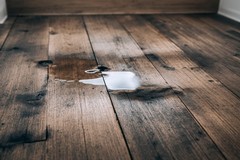
Few things sink a homeowner's heart faster than stepping onto a beautiful hardwood floor and feeling it give slightly underfoot, or spotting a dark stain spreading across the planks after a leak. Wood and water have never been friends, and when moisture works its way into your flooring, the clock starts ticking. The good news is that not every soaked board is a lost cause. Whether water damaged hardwood floors can be rescued often comes down to how quickly you act and how thoroughly you assess the situation. That is where professional damage restoration services in Lansing and its surrounding cities can make the difference between a quick recovery and a full replacement.
Understanding what happens beneath the surface helps you make smart decisions in those first critical hours. In this guide, we will walk through what to check first, the warning signs that matter most, and when drying is realistic versus when it is time to consider new flooring.
Why Hardwood and Water Are Such a Difficult Match
Wood is naturally porous, which means it absorbs moisture and swells, then shrinks again as it dries. When that cycle happens quickly or repeatedly, boards can cup, crown, warp, or separate. Solid hardwood tends to fare differently than engineered wood, which is built from thinner layers that can delaminate once water penetrates the adhesive holding them together.
The source of the water matters just as much as the amount. Clean water from a burst supply line is far less complicated than water that has traveled through walls, come up from a sewer backup, or sat for days. Contaminated water introduces bacteria and other concerns that change how the material must be treated. This is one reason a professional evaluation is so valuable early on, because what looks like a simple dry-out can hide a deeper problem.
What to Check First When You Discover the Damage
Before you decide anything, slow down and inspect carefully. The visible surface only tells part of the story, and the subfloor and areas between planks often hold the answers. When assessing water damaged hardwood floors, focus your attention on a few key indicators that reveal the true extent of the trouble.
- How long the water sat: A floor dried within 24 to 48 hours has a much stronger chance of recovery than one left wet for several days.
- Cupping or crowning: Boards that curl up at the edges or bow in the middle signal moisture imbalance, though some cupping can flatten out as things dry.
- Soft or spongy spots: A springy feel underfoot often points to subfloor damage or rot, which is a more serious concern.
- Discoloration and staining: Dark spots may indicate trapped moisture or the early stages of mold beneath the finish.
- Gaps and separation: Planks pulling apart suggest the wood has swelled and may not return to its original position.
Take photos as you go, both for your own records and for any insurance conversation later. Documentation of the affected area, the water source, and the visible damage will support your claim and help restoration professionals build an accurate plan.
Drying vs. Replacing: How the Decision Gets Made
The central question is whether the wood can be dried back to a stable moisture content without permanent structural damage. Restoration teams use moisture meters to measure exactly how saturated the boards and subfloor are, then compare those readings against normal levels for the environment. If the numbers are high but the wood is still structurally sound, controlled drying with air movers and dehumidifiers can often bring floors back.
Cupping is a good example of why patience pays off. Many homeowners assume cupped boards are ruined, but with proper drying they frequently flatten over the following weeks. Once the floor stabilizes, a light sanding and refinishing can restore the original look. On the other hand, crowning that persists, widespread rot, delaminated engineered planks, or a compromised subfloor usually tips the scale toward replacement. Attempting to save flooring that cannot be salvaged only invites mold and recurring problems down the road.
Speed remains your biggest advantage throughout this process. The faster excess water is extracted and the drying environment is controlled, the better the odds. This is exactly why emergency restoration services exist, because water damage rarely waits for business hours.
The Hidden Risk: Mold and Subfloor Damage
What you can see on the surface is only part of the picture. Moisture that sinks into the subfloor or the joists below can linger long after the top of the floor feels dry to the touch. In Michigan's humidity, that trapped dampness creates ideal conditions for mold, which can begin developing within a day or two under the right circumstances.
Mold is not just a cosmetic issue. It can affect indoor air quality and spread into wall cavities and adjacent rooms if left unaddressed. This is why thorough drying and verification with moisture readings matter so much more than a floor simply feeling dry. Professionals also inspect the underside of the flooring when possible and monitor moisture over several days to confirm the space has truly returned to safe levels before any refinishing or reinstallation begins. Fort more serious matters, mold remediation in the Lansing area may also be required.
Steps You Can Take Right Away
While professional help is on the way, a few quick actions can protect your floors and limit the spread of damage. Stop the water source if you safely can, whether that means shutting off a valve or containing a leak. Remove standing water with towels or a wet vacuum, and lift area rugs or furniture off the wet surface to prevent staining and allow air to circulate. Open windows or run fans to encourage airflow, and avoid walking on the wettest sections to reduce further stress on the boards.
Resist the urge to crank up the heat or aim it directly at the wood, since forcing rapid, uneven drying can cause cracking and splitting. Gentle, consistent air movement is far kinder to hardwood than blasting it dry. If you are unsure about anything, it is always better to call a restoration team than to guess, because the wrong approach can turn a recoverable floor into a replacement project.
Knowing When to Bring in the Professionals
Small, quickly addressed spills are often manageable on your own, but larger events involving standing water, contaminated sources, or floors that stay wet for more than a day call for expert help. Restoration specialists have the extraction equipment, industrial drying tools, and moisture monitoring to save flooring that homeowners might otherwise write off, and they can spot hidden trouble before it becomes a costly surprise. Whether you are in the capital region or need water damage restoration in Owosso, having trained hands on the job protects both your floors and your peace of mind.
So can water damaged hardwood floors be saved? Often, yes, provided you check the key warning signs early, act fast to control moisture, and let professionals verify that the drying is complete rather than just skin deep. The difference between salvage and replacement usually comes down to those first hours and an honest assessment of cupping, softness, staining, and subfloor condition.
If you have discovered water on your hardwood floors anywhere in Lansing and the surrounding communities, do not wait for the damage to settle in. Reach out to the team at McCardel Restoration for a prompt evaluation, and give your floors the best possible chance at a full recovery.