
A flooded basement rarely waits for a convenient moment. Whether it arrives after a heavy Michigan storm, a burst pipe, or a failed sump pump, standing water in your lowest living space can quickly turn into a stressful mess. The good news is that professional basement flood water removal follows a proven, methodical process designed to protect your home, your belongings, and your health. If you ever need help, our damage restoration services in Lansing and the nearby communities are built to respond quickly and thoroughly.
Many homeowners are surprised by how much happens behind the scenes during a cleanup. It is not simply a matter of pumping out water and calling it a day. There are safety checks, moisture readings, drying equipment, and sanitation steps that all work together to prevent long-term problems like mold growth and structural damage. Understanding what to expect can make an overwhelming situation feel far more manageable.
Why Fast Response Matters
Water does not sit politely while you figure out your next move. Within hours, it begins soaking into drywall, baseboards, flooring, and anything stored in your basement. Within a day or two, mold can start to establish itself in damp, dark conditions, which is exactly what a basement provides. This is why speed is one of the most important factors in any basement flood water removal effort.
Acting quickly also helps limit the scope of the damage. The sooner water is extracted and the drying process begins, the more materials and belongings can often be saved. Delays tend to mean more porous materials become saturated beyond repair, which increases both the cost and the disruption to your household. For urgent situations, our emergency restoration team is available to step in when every minute counts.
Step One: Inspection and Safety Assessment
Before any equipment comes out, a trained technician assesses the situation. This begins with safety. Standing water can hide electrical hazards, especially in a basement where outlets, water heaters, and furnaces are often located. Technicians confirm that it is safe to enter and may shut off power to affected areas before proceeding.
The inspection also determines the category of water involved. Clean water from a supply line is handled differently than gray water from an appliance or black water from a sewer backup. Identifying the source and contamination level shapes the entire cleanup plan, including what protective measures and sanitation methods are required. The team will also check how far the water has traveled, since it often wicks up walls and spreads under flooring well beyond the visible pool.
Step Two: Water Extraction
Once the area is deemed safe, the actual removal begins. Powerful pumps and truck-mounted or portable extraction units pull standing water out far faster than any shop vacuum could manage. For deep flooding, submersible pumps handle the bulk of the volume, while extraction wands address water trapped in carpet, padding, and tight corners.
This phase is the heart of basement flood water removal, and it is where you will see the most dramatic visible progress. However, removing the water you can see is only part of the job. A significant amount of moisture remains hidden inside building materials, which is why the drying stage that follows is just as critical as the extraction itself.
Step Three: Drying and Dehumidification
After the visible water is gone, the structure is still wet. Drywall, wood framing, concrete, and subflooring all hold moisture that must be removed to prevent warping, rot, and mold. Technicians place high-velocity air movers and commercial dehumidifiers strategically throughout the space to pull moisture out of the air and encourage trapped water to evaporate.
Throughout this stage, the team uses moisture meters and sometimes thermal imaging to track progress. These readings reveal damp spots that are invisible to the naked eye, ensuring nothing is overlooked. Drying is not instant. Depending on the severity of the flood and the materials involved, it can take several days, and the equipment usually needs to run continuously during that time. Monitoring the readings day by day confirms when the structure has truly returned to normal moisture levels.
Step Four: Cleaning, Sanitizing, and Content Care
Flood water, even when it starts out relatively clean, can leave behind dirt, bacteria, and odors. Once surfaces are dry, they are cleaned and sanitized to create a healthy environment again. Antimicrobial treatments help discourage mold growth, and deodorizing addresses the musty smell that often lingers after flooding.
Belongings affected by the water receive attention too. Furniture, boxes, documents, and personal items may be cleaned, dried, and restored whenever possible. For items that need specialized handling, our contents restoration services in Lansing and the surrounding areas focus on recovering what matters most to you rather than simply discarding it. Not everything can always be saved, but a careful evaluation gives your possessions the best chance.
Step Five: Repairs and Restoration
The final phase returns your basement to its pre-loss condition. Depending on the extent of the damage, this can involve replacing drywall, baseboards, insulation, or flooring that could not be salvaged. Painting, trim work, and other finishing touches bring the space back to the way it looked before the flood.
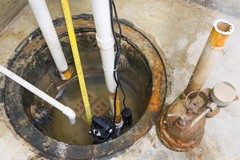
This is also a natural moment to think about prevention. A restoration professional can point out factors that contributed to the flooding, such as poor drainage, a sump pump nearing the end of its life, or grading issues outside the home. Small improvements now can reduce the odds of facing the same situation down the road. Homeowners seeking water damage restoration in East Lansing often appreciate having these conversations as part of the overall recovery.
What You Can Do Before Help Arrives
While waiting for professionals, there are a few safe steps that can help limit the damage, as long as you can act without putting yourself at risk:
- Stop the water source if you can do so safely, such as shutting off a valve for a burst pipe.
- Avoid entering standing water if there is any chance of electrical hazard, and never use electrical devices in a flooded area.
- Move dry, undamaged belongings to a higher, safer location.
- Document the damage with photos for your insurance records.
Beyond these basics, it is best to let trained technicians handle the extraction and drying. Flood water can carry contaminants that are not always obvious, and improper cleanup can leave moisture behind that causes bigger problems later.
Trust Local Professionals With the Process
Basement flood water removal is a detailed, multi-step process that goes well beyond pumping out water. From the initial safety assessment through extraction, drying, sanitizing, and final repairs, each stage protects your home and your family from the lingering effects of water damage. Knowing what happens during cleanup helps you feel more in control when the unexpected occurs.
If your home faces flooding, do not wait for the moisture to spread or for mold to take hold. The experienced crew at McCardel Restoration serves Lansing and the surrounding areas with prompt, professional care from start to finish. Reach out for a thorough assessment, and let a trusted local team guide you back to a dry, safe, and comfortable space.