
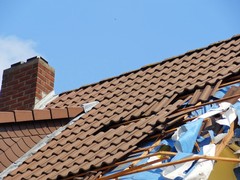
High winds move through mid-Michigan more often than many homeowners realize, and your roof takes the brunt of every gust. After a fast-moving storm rolls across the region, the most important thing you can do is learn to spot the early signs of wind damage to roof surfaces before small problems turn into leaks, rot, or interior damage. Catching trouble early can be the difference between a simple repair and a major project, which is why so many families rely on experienced restoration contractors in Lansing, MI to inspect and protect their homes.
The tricky part is that wind damage is not always dramatic. You might expect to see a tree on the roof or shingles scattered across the yard, but a lot of storm damage is subtle and hides in plain sight. Knowing what to look for gives you the power to act quickly, document the damage, and get ahead of any water that wants to find its way inside.
Why Wind Damage Deserves Your Attention
Wind rarely damages a roof evenly. Instead, it targets edges, corners, and any spot where a shingle has lifted even slightly. Once a single shingle loosens, wind can work under it during the next storm, peeling it back a little more each time. That repeating cycle is how a minor issue becomes an open path for rain, snowmelt, and ice.
Roofs in East Lansing, Lansing, and the surrounding areas also face temperature swings that make shingles brittle over time. When a strong gust hits aging or weathered material, the damage tends to be worse than it would be on a newer roof. That is why understanding the signs of wind damage to roof systems matters no matter how old your home is.
The Roof Wind Damage Signs You Should Look For
Most homeowners can spot the more obvious clues from the ground with a pair of binoculars, though a professional inspection is always the safest way to confirm what is happening up top. After severe weather passes, walk your property and pay close attention to a few telltale indicators.
- Missing, cracked, or curling shingles, especially along the roof edges and ridge line
- Granules from asphalt shingles collecting in gutters or at the base of downspouts
- Lifted or flapping shingles that no longer lie flat against the roof
- Damaged or bent flashing around chimneys, vents, and skylights
- Debris impact marks, dents, or punctures from flying branches
- Water stains on ceilings or in the attic that appear after a windy storm
Any one of these is worth investigating, and finding several together is a strong signal that your roof needs professional evaluation. Granule loss in particular is easy to overlook, but it exposes the asphalt layer to the sun and dramatically shortens the life of your shingles.
Damage You Cannot See From the Driveway
Some of the most serious signs of wind damage to roof surfaces are not visible without a closer look. Wind can loosen the seal strips that bond shingles together, leaving them intact in appearance but no longer watertight. From the ground everything looks fine, yet the roof is quietly vulnerable to the next rainfall.
Your attic tells an important story too. After a storm, head up with a flashlight and look for damp insulation, dark streaks on the underside of the roof deck, or daylight peeking through where it should not. A musty smell can also point to moisture that has been sneaking in over multiple storms. These interior clues often reveal problems long before a stain shows up on your living room ceiling.
Flashing damage is another hidden culprit. The metal that seals joints and transitions is a common failure point in high wind, and once it bends or pulls away, water follows the path of least resistance straight into your home. Because these areas are difficult to assess safely, they are a big reason to bring in trained professionals rather than climbing up yourself.
What to Do in the First 24 Hours After a Storm
Timing matters after severe weather. The sooner you identify and address the signs of wind damage to roof areas, the less opportunity water has to spread through your home. Start by documenting everything with clear photos, both from the ground and inside the attic, since good records help enormously if you file an insurance claim.
If you find active leaks or exposed sections of decking, cover interior belongings and place buckets under drips, but avoid the temptation to get on the roof. Wet, damaged surfaces are extremely dangerous. Instead, protect the opening from the outside if you can do so safely, and call for help. Our team offers emergency board up services in the Lansing area to secure vulnerable spots quickly, keeping the weather out while a permanent repair is planned. Acting fast here can prevent a small breach from becoming a whole-room restoration.
It also helps to keep a simple record of when the storm hit, what you observed, and any temporary measures you took. That timeline supports your claim and gives your restoration team a clear starting point when they arrive.
How Professional Inspection Makes the Difference
Even a careful homeowner can miss subtle damage, and that is exactly what makes wind so deceptive. A professional inspection covers the areas you cannot safely reach and identifies compromised seals, hidden moisture, and structural concerns that are easy to overlook. Our specialists know precisely where wind tends to do its worst work, so they can confirm whether the signs of wind damage to roof systems point to a quick fix or something more involved.
Beyond the roof itself, storms often create damage that reaches deeper into the home. When water gets inside, the concern shifts from shingles to drywall, insulation, and personal belongings. McCardel Restoration handles the full picture, from the initial emergency damage restoration services to drying, repairs, and getting your home back to normal. Homeowners who need storm damage restoration in Holt and other nearby communities count on that end-to-end approach because it removes the guesswork during an already stressful time.
Working with an established local team also means faster response when it matters most. We know the weather patterns of the region, the way local homes are built, and how insurance claims typically unfold, all of which helps move your restoration along smoothly.
Protecting Your Home for the Long Run
Wind damage is one of those problems that rewards early action and punishes delay. A shingle that looks fine today can leak next week, and moisture that goes unnoticed can quietly feed mold and rot for months. By learning the signs and giving your roof a careful look after every serious storm, you put yourself in a much stronger position to protect both your home and your budget.
The next time severe weather passes through Lansing and the neighboring towns, take a few minutes to walk your property, check your attic, and note anything that seems off. If you spot missing shingles, granule buildup, damaged flashing, or fresh water stains, do not wait for the problem to grow. Reach out to our team for a thorough inspection and a clear plan. We are here to help you recover quickly, restore your home fully, and give you confidence that your roof is ready for whatever the sky sends next.