
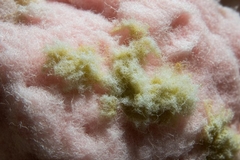
Water and mold have always been synonymous with disaster, especially when it comes to the integrity of our homes. But have you ever wondered: can insulation mold? This persistent problem may be silently infiltrating properties, causing both structural damage and health concerns. Our readers frequently seek restoration services in Lansing for issues like these, which are often hidden in plain sight. Understanding how insulation can mold and the preventive measures available can help maintain a safe, healthy home environment.
Understanding the Problem: Can Insulation Mold?
Yes, insulation can mold. Though often buried behind walls or beneath floors, insulation is not immune to mold's reach. When exposed to excess moisture, insulation materials can become a breeding ground for mold spores, potentially impacting indoor air quality and increasing health risks. This issue is not region-specific but requires significant attention in climates that experience high humidity or substantial rainfall, such as Lansing, MI.
The ability of insulation to withstand mold significantly depends on the type of insulation used. Common materials include fiberglass, cellulose, and spray foam, each with distinct moisture resistance levels. Mold thrives on organic materials, making cellulose, which is plant-based, more susceptible than fiberglass or spray foam. Despite the variance in material susceptibility, all types of insulation can potentially harbor mold given the right environmental conditions.
Conditions That Lead to Moldy Insulation
To predict and prevent mold growth, it's essential to understand the conditions that facilitate its development within insulation:
- Moisture: Whether from leaks in the roof, plumbing issues, or high humidity, moisture is the primary driver of mold growth. It can find its way into insulation through unaddressed roof leaks, cracked walls, and poorly sealed windows.
- Poor Ventilation: Rooms that lack adequate airflow, such as attics or basements, are susceptible to mold because trapped moisture cannot evaporate effectively.
- Unsealed Attic Spaces: Attic insulation is particularly vulnerable if there is improper sealing between the attic and living spaces. This allows heat and moisture to rise into the attic, creating a perfect mold habitat.
Preventing Insulation Mold
Effective prevention strategies focus on moisture control and regular maintenance. By implementing the following measures, you can greatly reduce the risk of insulation mold:
- Routine Inspections: Regularly check areas prone to moisture issues, including around windows, under sinks, and in basements. This can help identify and address small issues before mold takes hold.
- Moisture Control: Employ dehumidifiers in humid areas of your home, particularly during the summer months. Ensure your windows and roofs are properly sealed to prevent leaks. Proper drainage around your home's foundation can also help keep moisture at bay.
- Proper Ventilation: Investing in adequate ventilation systems, particularly in kitchens and bathrooms, is crucial. These systems help maintain airflow and reduce humidity levels.
- Professional Installation: Ensure insulation is installed by professionals who can guarantee proper fitting and are knowledgeable about moisture barriers.
When preventative measures aren’t enough, and mold has already taken root, expert intervention is necessary. Professional mold remediation services in Lansing can be crucial to ensure complete mold removal and prevent future occurrences.
Signs of Moldy Insulation
Recognizing the signs of moldy insulation can help mitigate damage. Here’s what homeowners should look out for:
- Odor: A musty smell that won't go away, especially when the heating or cooling system is on, can indicate mold.
- Discoloration: Visible dark spots on walls or ceilings may signify mold behind them.
- Rising Allergy Symptoms: Increased respiratory issues for those living in the home, such as sneezing, coughing, or eye irritation, could indicate mold presence.
Choosing the Right Insulation
Selecting the appropriate insulation is vital in preventing mold growth. Fiberglass insulation is widely chosen due to its non-organic nature and better resistance to mold than cellulose insulation. Spray foam, though more expensive, acts as a superior moisture barrier, providing both insulation and structural support.
However, no insulation is entirely foolproof. Consider incorporating additional moisture barriers, such as vapor barriers or water-resistant paints, for added protection in moisture-prone areas.
Repairing Mold-Damaged Insulation
Once insulation has been compromised by mold, it may need replacing or treating depending on the extent of the damage. Here is the repair process broken down into manageable steps for homeowners:
- Assessment: A thorough inspection is necessary to assess mold penetration depth and the type of mold present.
- Removal: If mold damage is minimal, affected areas can be carefully removed. In severe cases, complete removal and replacement of the insulation may be needed.
- Treatment: The area needs cleaning and treatment with mold-killing solutions to prevent regrowth.
- Replacement: Installing new insulation must occur post-cleaning and drying. Ensure all sources of moisture have been addressed before this step.
Hiring professionals like McCardel Restoration, who are well-versed in dealing with such issues, can provide peace of mind through their comprehensive water damage restoration services.
The Broader Impact of Insulation Mold
The effects of moldy insulation extend beyond structural damage. Mold exposure can lead to severe health problems such as allergic reactions, asthma attacks, or more severe respiratory issues, particularly for vulnerable populations like children and the elderly. Thus, early detection and action are essential in protecting both property and health.
Furthermore, the economic costs of untreated mold can escalate, impacting property value and resulting in expensive repairs. Timely intervention is crucial to avoid these potential setbacks.
Professional Assistance and Solutions
Though preventive strategies can significantly reduce the likelihood of insulation mold, professional evaluation and intervention are sometimes necessary. Experts can offer solutions tailored to specific situations and environmental conditions. For residents around Lansing, McCardel Restoration provides essential services, including water damage restoration, to minimize the risk of mold and maintain a healthy indoor environment.
By entrusting your home to professionals, you can be assured that your concerns are addressed comprehensively and effectively. Whether it’s through mold remediation, temporary services such as dehumidification, or equipment rentals, McCardel Restoration covers all your needs for safeguarding your home.
Commitment to a Mold-Free Home
Commitment to prevention and timely action are crucial in the battle against mold. With the combined efforts of diligent homeowners and expert services like those offered by McCardel Restoration, homes across Lansing can remain safe, healthy, and mold-free for years to come.
Should you find yourself facing challenges with mold, particularly insulation mold, don't hesitate to reach out. McCardel Restoration is here to assist with mold remediation in Owosso and beyond, providing exceptional service and peace of mind. Act now to protect your home and loved ones. Contact McCardel Restoration for a comprehensive review and personalized care tailored to your needs.